Fasting has been part of human culture for centuries — but online, it’s often presented as a “one trick” solution for everything from fat loss to cancer prevention. That’s where people lose trust: the claims are too confident, too broad, and sometimes simply not supported by human research.
This post is different. It’s a practical, evidence-based guide to the benefits of fasting — what seems solid, what’s promising but still uncertain, and what’s mostly hype (or misinterpreted animal data). You’ll also learn how to fast in a way that’s more likely to produce real benefits without unnecessary risk.
Quick summary: fasting benefits ranked by evidence (honest version)
Here’s a clear evidence snapshot. “Moderate” means human studies and reviews show a pattern, though results vary by person and fasting method. “Limited” means evidence is early, inconsistent, indirect, or largely from animal studies.
| Potential benefit | Evidence in humans | What it usually depends on |
|---|---|---|
| Weight loss / appetite control | Moderate | calorie deficit + consistency |
| Insulin sensitivity / blood sugar markers | Moderate | weight loss, baseline risk, diet quality |
| Some heart risk markers (BP, triglycerides) | Low–Moderate | weight loss, lifestyle context |
| Some inflammation markers (CRP, TNF-α) | Low–Moderate | body fat change, study duration |
| Autophagy (as a “health hack”) | Limited/uncertain | hard to measure in humans |
| Brain function (focus/memory) | Limited/mixed | sleep, calories, adaptation |
| Gut microbiome “reset” | Limited | fiber, diet quality, refeed |
| Longevity / anti-aging in humans | Limited | strong animal data; human data indirect |
| Cancer prevention/treatment | Not established | research is exploratory; not therapy |
Two authoritative overviews that explain the “big picture” (including metabolic switching) are:
- Johns Hopkins Medicine: how intermittent fasting works
- NEJM review: Effects of intermittent fasting on health, aging, and disease
What fasting is (and what counts as fasting)
Intermittent fasting (IF) is an eating pattern that alternates between periods of eating and fasting. It’s not a food list; it’s a timing framework.
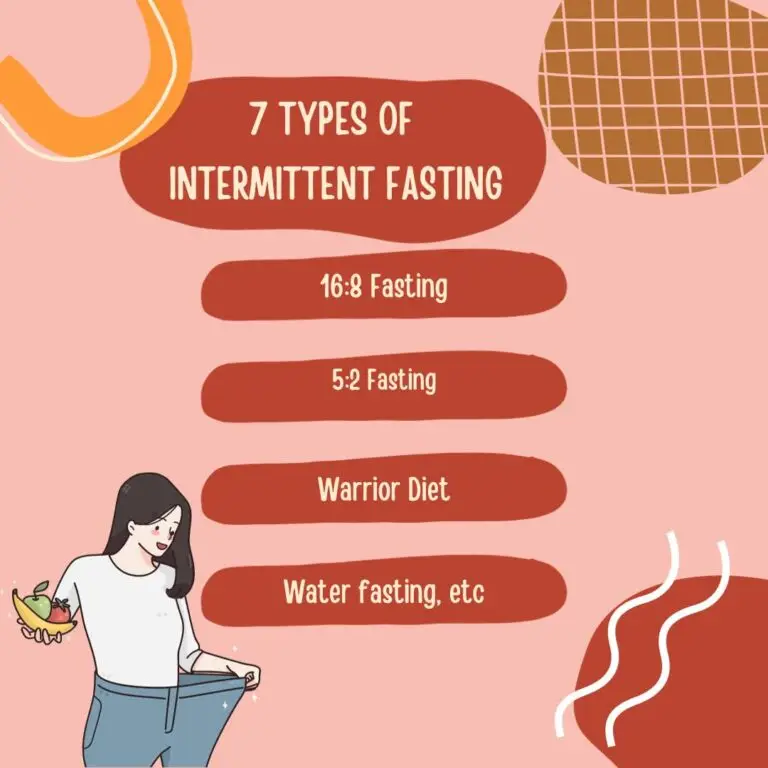
Common approaches include:
- Time-restricted eating (TRE): 12:12, 14:10, 16:8
- 5:2: eat normally 5 days, very low calories 2 days
- Alternate-day fasting: low/no calories every other day
Mechanism (simplified): IF can work by extending the time your body has to use energy from your last meal, then shifting toward using stored energy. Johns Hopkins explains this as prolonging the time before you start burning stored fat. See: Johns Hopkins Medicine: intermittent fasting explained
A key honesty point: In many human studies, weight loss and many improvements happen because fasting helps people eat fewer calories or follow a structured routine more consistently — not because fasting is “magic.” That’s why you’ll sometimes see fasting and calorie restriction produce similar weight loss when total calories are similar.
Benefit #1: Weight loss and appetite control (moderate evidence)
What’s supported
For many people, fasting helps fat loss by:
- reducing random snacking (especially late-night eating)
- creating a routine that’s easier to follow than constant calorie counting
- making overeating less frequent (if the eating window stays structured)
If fasting causes a reliable weekly calorie deficit, fat loss is likely.
What’s often misunderstood
Fasting does not guarantee fat loss. If you fast all day and then “reward eat” at night, you can easily erase the deficit and gain weight.
That’s why your supportive post matters:
Practical takeaway
If your goal is weight loss:
- choose a schedule you can repeat (14:10 is a great default)
- keep fasting drinks clean
- break your fast with protein-first meals
- avoid binge windows
Use your pillar plan here:
Benefit #2: Insulin sensitivity and blood sugar regulation (moderate evidence)
What fasting may improve
Intermittent fasting can improve insulin-related markers in some people, especially if it:
- reduces body fat (particularly visceral fat)
- reduces frequent snacking and ultra-processed foods
- improves meal structure and sleep timing
Johns Hopkins describes how fasting can shift metabolism toward burning stored fat after the body has used up calories from the last meal: Johns Hopkins Medicine: intermittent fasting explained
Important safety warning
If you have diabetes and take insulin or glucose-lowering medication, fasting can increase the risk of low blood sugar. This is not the “try it and see” zone.
Read first:
Benefit #3: Inflammation and metabolic health (low–moderate evidence)
What the research suggests
Some systematic reviews and meta-analyses show intermittent fasting can reduce certain inflammatory markers (like CRP and TNF-α) in adults, though effects vary by protocol and population. One example is this open-access systematic review/meta-analysis: PMC: Effects of intermittent fasting on inflammatory markers
What’s not guaranteed
Inflammation improvements are not automatic. If fasting changes timing but doesn’t change overall diet quality or body fat much, markers may not move significantly.
Practical takeaway
If you want the anti-inflammation “version” of fasting:
- don’t use fasting to justify processed foods
- prioritize protein and fiber
- avoid sugar spikes after breaking the fast
- protect sleep (poor sleep increases cravings and stress eating)
Your “refeeding” posts matter here:
Benefit #4: Cardiovascular health markers (BP, lipids) (low–moderate evidence)
What may improve
Some people see modest improvements in:
- blood pressure
- triglycerides
- LDL cholesterol
- resting heart rate
These improvements often track with fat loss and better food patterns.
For a high-level medical perspective on possible benefits and mechanisms, see:
Important nuance
Heart health is not just about meal timing. If fasting leads to:
- poor sleep
- heavy late meals
- binge behavior
- nutrient gaps
…then you’re likely losing the benefits.
If fasting causes symptoms, fix the foundation first:
Benefit #5: Autophagy and cellular “cleanup” (limited/uncertain in humans)
Autophagy is real. It’s a natural process where the body breaks down and recycles damaged cell parts. But online, autophagy is often presented like a guaranteed “deep clean mode” that turns on at a specific hour.
What’s evidence-based
Cleveland Clinic explains autophagy as a natural cleaning-out process that starts when cells are stressed or deprived of nutrients, and researchers are studying its role in disease prevention and treatment:
What’s overstated
Exact “autophagy timelines” in humans are not precise, and it’s difficult to measure autophagy directly in real-world human fasting schedules. That’s why it’s safer to phrase autophagy claims as “may influence” rather than “guaranteed at X hours.”
If you want the cautious, non-hype version on your own site:
- Autophagy and Intermittent Fasting: Timeline + What’s Known
- 12 to 72 Hours of Fasting: What Happens at Each Stage
Benefit #6: Brain function, focus, and neuroprotection (limited/mixed)
What people commonly report
Many people feel:
- clearer focus
- fewer energy crashes
- better afternoon productivity
This may happen because fasting can reduce sugar swings and heavy meals during work hours.
What research says
A scientific review in PubMed Central concluded there is no clear evidence of a positive short-term effect on cognition in healthy subjects, even though mechanisms are being studied:
That doesn’t mean fasting can’t help your focus. It means we should be cautious and avoid claiming fasting “boosts brain function” for everyone as a guaranteed effect.
Practical takeaway
If fasting helps your brain, it usually works because it improves:
- sleep timing (earlier dinner)
- diet quality (less processed food)
- hydration and electrolytes
If fasting gives you brain fog, check:
- dehydration/electrolytes
- under-eating
- too aggressive a schedule
Fix it here:
Benefit #7: Immune system effects (real vs “immune reset” hype)
You’ll often see: “Fasting resets the immune system.”
Reality: immune and inflammation pathways are complex, and effects vary by fasting duration, nutrition, and individual health. Some research explores immune modulation and inflammation changes, but it’s not correct to promise an “immune reset” from everyday 16:8 fasting.
Practical takeaway
Fasting can indirectly support immune health if it helps you:
- reach a healthier weight
- improve diet quality
- reduce ultra-processed foods
- sleep better
Not because fasting is an “immune booster” like a supplement.
If you want a more cautious immune-related framing, keep it tied to inflammation markers and overall health behavior.
Benefit #8: Gut health and microbiome balance (limited evidence)
Some people experience:
- less bloating
- improved digestion
- better appetite control
But again, gut outcomes depend heavily on what you eat during the eating window and how you break the fast.
The most common mistake is breaking fast with greasy + sugary foods and then blaming fasting for digestive problems.
Use these support posts together:
Benefit #9: Longevity and anti-aging (promising in animals, limited proof in humans)
What’s plausible
Fasting and calorie restriction affect pathways linked to aging in animal studies, and humans may see improvements in risk factors linked to healthspan (weight, insulin, inflammation in some cases).
A major medical overview discussing mechanisms is:
What’s not proven
We do not have definitive evidence that intermittent fasting extends human lifespan. That doesn’t make fasting useless — it just means we should frame longevity claims as “possible” and “under study.”
Your careful internal cluster posts:
- Intermittent Fasting and Aging: What Research Suggests
- Intermittent Fasting and Longevity: What We Know So Far
Benefit #10: Cancer research (what it means and what it doesn’t)
This is the most important section to handle responsibly.
Fasting is NOT a cancer treatment
Fasting should never replace medical care or be framed as a cure.
What researchers are studying
Researchers are exploring fasting and fasting-mimicking diets (FMDs) in relation to cancer treatment — mainly looking at feasibility, side effects, and whether fasting-like dietary patterns could interact with treatment response. A narrative review discussing short-term fasting and fasting-mimicking diets with chemotherapy is available open-access here:
This kind of research is early and often context-specific. It does not mean fasting is a treatment.
Your internal post is correctly framed:
Who should be careful (safety first)
Intermittent fasting is safe for many adults, but it’s not for everyone.
Mayo Clinic’s medical guidance discusses benefits and highlights who should avoid intermittent fasting or be cautious:
If fasting causes frequent dizziness, fainting, severe weakness, or worsening mental health, stop and reassess.
Your full safety pillar:
How to maximize benefits without extreme fasting
If you want real benefits and long-term trust from readers, this is the approach that works:
1) Start with the easiest schedule you can repeat
- 12:12 → 14:10 → 16:8 only if it feels easy
Your timing guide:
2) Fix fasting drinks (this is where people accidentally fail)
Your best guide:
3) Break your fast correctly
- protein-first
- avoid greasy + sugary combos
- start smaller if you’re sensitive
Your pairing posts:
4) Don’t let fasting turn into binge cycles
If fasting triggers overeating, it’s too aggressive or poorly structured.
Frequently Asked Questions
Can fasting improve brain function?
Some people report improved focus, but a scientific review found no clear evidence of a positive short-term effect of intermittent fasting on cognition in healthy subjects. See: PMC review on IF and cognition (2021).
How many hours fasting for autophagy?
Autophagy is a real cellular process, but exact “autophagy starts at X hours” timelines in humans are not precise. For a clear explanation of autophagy, see: Cleveland Clinic: autophagy overview.
Does fasting slow aging?
Animal data is stronger than human data. In humans, fasting may improve health risk factors linked to healthy aging, but lifespan extension is not proven. A major overview is: NEJM review on IF and aging mechanisms.
Does fasting reduce inflammation in the body?
Some meta-analyses suggest intermittent fasting can reduce certain inflammatory markers (like CRP and TNF-α) in adults, but results vary by protocol and population. See: PMC meta-analysis on inflammatory markers.
Is fasting good for cancer?
Fasting is not a cancer treatment. Researchers are studying fasting and fasting-mimicking diets alongside cancer therapy, but this is exploratory and not a cure. See: PMC review on fasting/FMD with chemotherapy (2023) and your safety-framed post: IF and cancer (Not a treatment).
Sources
- Mayo Clinic: Intermittent fasting — benefits and who should avoid it
- Johns Hopkins Medicine: Intermittent fasting — what it is and how it works
- NEJM review: Effects of intermittent fasting on health, aging, and disease (2019)
- Cleveland Clinic: Autophagy explained
- PMC: Effects of intermittent fasting on inflammatory markers (systematic review/meta-analysis)
- PMC: Intermittent fasting and cognitive function review (2021)
- PMC: Short-term fasting & fasting-mimicking diets with chemotherapy (2023 review)