
This intermittent fasting guide is designed to remove confusion and give you a practical, safe plan you can follow. You’ll learn the best fasting schedules (like 16:8 and 14:10), the 7 rules that matter most, what breaks a fast, what to eat to make fasting easier, and how to avoid side effects and common mistakes.
Intermittent fasting (IF) isn’t a “magic diet”. It’s an eating pattern that cycles between fasting windows and eating windows. Many people use it to reduce snacking, simplify eating decisions, support fat loss, and improve consistency—especially when life is busy.
Quick Start (60 seconds)
If you’re new, the best approach is gentle + consistent:
- Days 1–3: 12:12 (12-hour fast / 12-hour eating window). Main goal: stop late-night snacking.
- Days 4–14: 14:10. Main goal: stabilise routine and reduce random eating.
- Optional after 2 weeks: Try 16:8 2–3 days/week if you feel good and can still eat well.
Helpful next reads (internal):
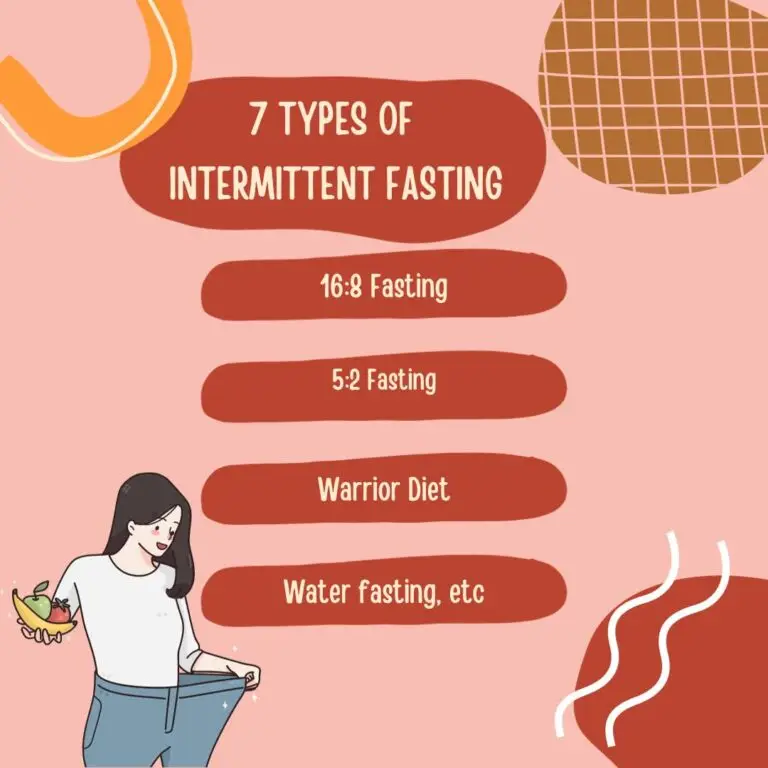
- Types of intermittent fasting schedules
- Best fasting timing, frequency & duration
- Best drinks during fasting (coffee, tea, electrolytes)
- What breaks a fast (foods + supplements)
- Fasting side effects and how to manage them safely
1) What intermittent fasting is (and what it isn’t)
Intermittent fasting is a time-based eating routine. You choose an eating window (for example, 8–10 hours) and you don’t eat outside it. That simple boundary often reduces late-night calories, frequent snacking, and “random eating,” which is why many people find it easier than strict calorie counting.
What IF is
- A structure that makes eating more predictable
- A tool for reducing unnecessary snacking and “grazing”
- A schedule that can support fat loss and improved routine consistency
What IF is not
- A free pass to eat junk food in the eating window
- A cure for medical conditions
- A competition to fast longer and longer
- Automatically right for everyone
If you want a credible, simple explanation of how IF works for the general public, this is a good one:
2) Why fasting isn’t new (history + human biology)
Fasting has existed for centuries in cultural and religious contexts, and it also fits basic human biology: humans are built to handle both “fed state” and “fasted state.”
Historically, people did not eat constantly throughout the day. Food availability and routines meant there were natural breaks between meals. Modern life is different: ultra-processed foods, constant availability, and stress make it easy to eat from morning until late night. IF brings structure back.
This matters because many IF benefits come from something simple: less frequent eating opportunities and more predictable routines—not from mystical “detox” claims.
3) How intermittent fasting works (simple science)
You don’t need biochemistry to benefit from IF, but understanding the basics builds trust and helps you make smarter decisions.
3.1 Metabolic switching: glucose → fat → ketones
When you eat, your body uses energy from your meal and stores extra energy. When you stop eating for long enough, your body gradually increases use of stored energy—first glycogen, then more fat. With longer fasting windows, ketones can rise.
Researchers often describe this as “metabolic switching.” A large review on intermittent fasting patterns and outcomes is here:
3.2 Insulin and insulin resistance (why IF discussions mention it)
Insulin is involved in glucose regulation and energy storage. Many people snack frequently or eat late at night, which can keep insulin elevated more often. IF creates longer breaks from eating, which may support healthier appetite and blood sugar patterns in some people—especially when paired with better food quality.
Credible background (simple, not hype):
3.3 Autophagy (cell recycling) — correct framing
Autophagy is the cell’s “recycling” system. It’s real, but online claims often oversimplify it with exact hour promises. In humans, timing and magnitude are not guaranteed and vary between individuals.
Credible explainer:
Your deeper internal guide:
4) Best intermittent fasting schedules (choose your fit)
There’s no one perfect schedule. The “best” schedule is the one you can repeat without feeling miserable, while still eating high-quality meals in your window.
If you want a full breakdown of schedules, use:
Quick decision guide (choose fast)
- Beginner / sensitive to hunger: 12:12 or 14:10
- Weight loss focus: 14:10 or 16:8
- Athletes/bodybuilders: 14:10 or 16:8 timed around training
- Prefer weekly structure: 5:2
- OMAD: advanced; not ideal for many lifters or anyone struggling to hit protein
Schedule comparison table
| Schedule | What it means | Best for | Common mistake |
|---|---|---|---|
| 12:12 | 12h fast / 12h eat | beginners | still eating late night |
| 14:10 | gentle daily fasting | most people | under-eating protein |
| 16:8 | most popular | fat loss + routine | overeating at night |
| 5:2 | 2 low-cal days/week | weekly planners | compensating on other days |
| OMAD | one meal/day | advanced | low protein/nutrients |
Practical sample schedules (copy these)
Sample A: Beginner 14:10 (easy + sustainable)
- Morning: water/tea/black coffee
- First meal: 10:00–11:00
- Second meal: 18:00–19:00
- Optional snack: only if needed (protein-first)
This schedule is gentle and helps many people build routine without feeling drained.
Sample B: 16:8 for an office routine
- Morning: water/black coffee
- Lunch: 12:00
- Snack: 15:30–16:30 (protein)
- Dinner: 19:00–20:00
If you want office + travel strategies, read:
Sample C: Training day timing (strength + performance)
Many people perform better when training is closer to meals:
- Train late morning → first meal after training
OR - Train afternoon → meal before + meal after in window
Performance pillar:
5) Intermittent fasting guide: the 7 rules that actually matter
This section is the core of your intermittent fasting guide. If you follow these 7 rules, your results and trustworthiness go up because your advice is clear, consistent, and realistic.
Rule 1: Start easier than you think (consistency beats intensity)
Most people quit because they start too hard (16:8 or OMAD on day one), feel awful, then stop. Start with 12:12 or 14:10 and build habit first. Once it feels automatic, you can tighten the window if you need to.
Helpful timing guide:
Rule 2: Keep fasting drinks simple (this prevents accidental “fast breaks”)
Many people unintentionally break their fast with drinks:
- milk/cream in coffee
- sugary “healthy” drinks
- supplements with hidden calories
Your safe default:
- water
- black coffee
- plain tea
If you get headaches/dizziness, electrolytes may help as long as they’re sugar-free.
Rule 3: Don’t “reward eat” when the window opens
The #1 fasting failure is: fasting all day → huge “reward meal” → overeating. IF is not about suffering; it’s about structure. Plan your first meal so you don’t make hungry decisions.
Common mistakes guide:
Rule 4: Protein-first meals (especially if you train)
Protein improves fullness and helps preserve muscle while losing fat. Many people doing IF accidentally under-eat protein early, then get cravings and overeat later.
Muscle gain strategy:
- Intermittent fasting and muscle gain
Performance pillar: - IF for athletes & bodybuilders
Rule 5: Break your fast gently (avoid cravings + stomach upset)
Breaking a fast with ultra-sugary or ultra-fat foods often triggers cravings and digestion issues. Start with a balanced meal and save heavier foods for later.
Rule 6: Sleep is a “multiplier” (sleep problems ruin fasting)
Poor sleep increases hunger hormones and cravings. If IF worsens your sleep:
- shorten the fasting window
- shift your eating window earlier
- reduce caffeine later in the day
Sleep isn’t “extra.” For most people, it determines whether fasting feels easy or painful.
Rule 7: Safety beats willpower (don’t fast hard if you shouldn’t)
If you have medical conditions or take medication, don’t experiment with aggressive fasting.
Safety resources:
6) What breaks a fast (and what usually doesn’t)
Use this as your simple rule: if it has calories, assume it breaks your fast (unless you’re intentionally doing a “flexible fast”).
Full guide:
Usually safe for most people doing standard IF
- water
- black coffee
- plain tea
- sugar-free electrolytes (read the label)
Usually breaks a fast
- sugar, honey
- milk/cream
- juices and caloric drinks
- gummies and supplements with calories
- “zero” products that aren’t truly zero
7) What to eat (to make fasting easier and more effective)
7.1 What to eat before fasting (pre-fast meal)
A good pre-fast meal helps with:
- stable energy
- less hunger
- better adherence
Simple pre-fast formula:
- Protein: eggs, chicken, fish, tofu, Greek yogurt
- Fiber: vegetables, lentils/beans, berries
- Optional carbs: oats, rice, potatoes (especially if you train)
- Healthy fats: olive oil, nuts, avocado (optional)
Guide:
7.2 Best foods to break a fast
Breaking a fast well prevents:
- stomach discomfort
- sugar cravings
- overeating later
Guides:
8) IF for different goals (choose your path)
IF for weight loss
Start here:
Then fix plateaus and common errors:
IF for athletes & bodybuilders (performance)
Start here:
Then:
IF for women (safety-first)
Women often do better with gentler schedules and careful monitoring of energy and cycle changes:
IF for busy professionals
Office schedules, travel, and meetings:
9) Side effects, safety & precautions
Safety pillar:
Common early effects:
- hunger waves
- mild headaches
- irritability
- energy dips
Red flags (stop + seek help):
- fainting
- confusion
- severe dizziness
- chest pain
- persistent vomiting
10) Common myths and misconceptions
Myth: “IF automatically causes starvation mode”
Short daily fasting windows are not the same as prolonged starvation. Multi-day fasting is different and needs more caution.
Myth: “IF always slows metabolism”
Results depend on total intake and habits inside the eating window. The most common “no results” case is overeating when the window opens.
Myth: “Fasting destroys muscle”
Muscle loss depends mainly on low protein, no resistance training, and prolonged under-eating—not normal daily IF.
Myth: “Fasting cures diseases”
Fasting is not a cure. Sensitive topics should be handled carefully:
Frequently Asked Questions
Can I drink coffee during my fasting window?
Yes—black coffee is generally fine. Milk, cream, and sugar add calories and typically break the fast.
See: Best drinks during fasting
How long does it take to see results?
Many people notice routine and appetite changes in 1–2 weeks. Visible fat loss depends on eating-window habits, sleep, and consistency.
Is intermittent fasting safe for women?
Often yes, but many women do better with gentler schedules and careful monitoring.
See: Intermittent fasting for women
Can I work out while fasting?
Yes. Many people do well with light/moderate exercise fasted. Strength or HIIT often feels better closer to the eating window.
See: Exercising while fasting
Will I lose muscle with intermittent fasting?
Not automatically. Protein intake and resistance training matter most.
See: IF and muscle gain




Excellent