Supplements can make fasting easier — but they can also break your fast, trigger stomach upset, or create safety issues if you use the wrong product (or the right product at the wrong time).
This guide is a practical, safety-first breakdown of supplements for fasting:
- what helps most people (especially electrolytes)
- what’s situational (useful only for specific diets or goals)
- what’s hype (popular but often unnecessary)
- what might “break a fast” depending on your goal
- the safest way to choose and use supplements
Start here first (pillar): Intermittent Fasting Guide: Start Here (Schedules, Rules & Safety)
Most common issue: Best Drinks During Fasting: Coffee, Tea, Electrolytes (What’s Allowed?)
Critical: What Breaks a Fast? Foods, Supplements & Hidden Calories
Before supplements: decide your fasting goal (this changes everything)
Different people “fast” for different reasons, and the supplement rules change based on the goal:
Goal A: Weight loss and appetite control
You mainly want:
- fewer calories
- fewer cravings
- better routine consistency
In this case, many “technically breaks a fast” debates don’t matter much. But liquid calories and appetite-triggering sweeteners still matter a lot.
Weight loss pillar:
Goal B: Metabolic health (blood sugar / insulin)
You want a cleaner fast because some ingredients can affect insulin or appetite signals — and if you take diabetes medications, safety becomes much higher-stakes.
Safety post:
Goal C: “Clean fast” for cellular stress pathways (autophagy discussions, etc.)
This is where people tend to be strict: they avoid amino acids, calories, and anything that may trigger digestion.
Autophagy post:
Key point: You can still get great results without being extreme. Johns Hopkins notes that during fasting times, water and zero-calorie beverages like black coffee and tea are permitted. The big mistake is packing eating windows with junk food.
Source: Johns Hopkins intermittent fasting guide. :contentReference[oaicite:0]{index=0}
Quick “supplements for fasting” priority list (most useful → least useful)
Most useful for most people (especially if you feel symptoms)
1) Electrolytes (sodium + potassium + magnesium), especially for headaches/dizziness/cramps
2) Magnesium (common shortfall, cramps/sleep support for some)
3) Creatine (best evidence for performance and muscle; for trainees)
Useful only in certain diets or situations
- Vitamin B12 (vegans/vegetarians, older adults, low intake) :contentReference[oaicite:1]{index=1}
- Vitamin D (low sun exposure, confirmed low levels; best with meals) :contentReference[oaicite:2]{index=2}
- Omega-3 (EPA/DHA) (low fish intake; take with food) :contentReference[oaicite:3]{index=3}
- Probiotics (some digestive issues, strain-specific) :contentReference[oaicite:4]{index=4}
- Iron / folate (only if deficiency risk or confirmed low) :contentReference[oaicite:5]{index=5}
Often hype (or commonly misused)
- “fat burners,” detox pills/teas, random “fasting boosters”
- BCAA/collagen/protein during fasting window (often breaks a clean fast)
- sugary electrolyte drinks (often defeat weight loss goals)
Does a supplement “break a fast”? (simple, honest answer)
There isn’t one universal answer — it depends on your fasting definition.
A practical “break-fast” rule of thumb
- If it has calories → it breaks a strict fast
- If it contains amino acids (protein/BCAA/collagen) → it breaks a strict fast
- If it’s a zero-calorie mineral (sodium/potassium/magnesium) → usually does not break a strict fast
- If it’s in an oil capsule (fish oil, vitamin D in oil) → tiny calories, so it’s not a strict fast (but may be acceptable for weight-loss fasting)
If you want the full list of “hidden break” items:
The “Big 3” fasting supplements: electrolytes (sodium, potassium, magnesium)
If fasting makes you feel bad, electrolytes are usually the first thing to check — especially if you have headaches, dizziness, weakness, or muscle cramps.
Cleveland Clinic notes that symptoms of electrolyte imbalance can include weakness and muscle spasms, and levels can be checked via blood tests.
Source: Cleveland Clinic: Electrolyte imbalance. :contentReference[oaicite:6]{index=6}
Sodium (the most important for “fasting headaches” for many people)
What it does: supports fluid balance, nerve function, muscle contraction.
When sodium matters most:
- you’re sweating a lot (hot climate, training)
- you’re doing longer fasts (24h+)
- you’re eating low-carb (you often lose more water/sodium)
Best approach:
- Start with food first (salted meals during eating window).
- For fasting windows, use zero-sugar electrolyte products if you’re symptomatic.
Caution: If you have high blood pressure, heart failure, kidney disease, or sodium restrictions, talk to your clinician before increasing sodium.
Potassium (important, but supplement carefully)
What it does: supports normal cell function, nerve signaling, and muscle contraction. :contentReference[oaicite:7]{index=7}
Important safety point:
Most potassium supplements provide only small amounts (for example, many in the U.S. are limited to no more than 99 mg per serving), and high-dose potassium supplementation can be risky for people with kidney issues or certain medications.
Source: NIH ODS Potassium — Consumer. :contentReference[oaicite:8]{index=8}
Best approach (safer):
- Prioritize potassium-rich foods in your eating window (legumes, potatoes, leafy greens, yogurt, etc.)
- If using electrolyte products, choose reputable brands and avoid mega-dose potassium unless medically supervised.
Magnesium (sleep, cramps, and overall metabolism support)
Magnesium supports nerve and muscle function and is involved in many biochemical reactions.
Source: NIH ODS Magnesium — Consumer. :contentReference[oaicite:9]{index=9}
When magnesium is useful:
- muscle cramps/twitching
- sleep issues (some people)
- high training loads
- low magnesium diet (few nuts/greens/whole grains)
Best approach:
- Take magnesium in your eating window if it upsets your stomach when fasted.
- Choose forms people often tolerate well (labels like citrate/glycinate are common; individual tolerance differs).
Electrolyte supplements: how to choose the right one (without breaking your fast)
A good fasting electrolyte product should be:
- zero sugar
- zero calories
- no “energy blend”
- no hidden carbs (maltodextrin, dextrose, etc.)
Label red flags (common “fasting electrolyte” traps)
- sugar or honey
- fruit juice powders
- “carb blend”
- “energy blend” (often caffeine + sweeteners)
- high-calorie “sports drink” positioning
If you get symptoms like weakness/cramps/confusion, Cleveland Clinic recommends evaluation because electrolyte imbalance severity varies and can require medical care.
Source: Cleveland Clinic: Electrolyte imbalance symptoms. :contentReference[oaicite:10]{index=10}
Creatine: best-supported supplement for training (and fasting-friendly for many)
Creatine is one of the most studied performance supplements. The International Society of Sports Nutrition position stand concludes creatine supplementation increases intramuscular creatine and can improve exercise performance/training adaptations.
Source: ISSN position stand (PMC). :contentReference[oaicite:11]{index=11}
When creatine makes sense during fasting
- you lift weights and want strength progression
- you want to preserve performance while cutting
- you want a simple supplement with strong evidence
Does creatine break a fast?
Creatine itself isn’t a sugar or protein supplement. Many people take it without appetite issues. However:
- it may cause mild GI upset in some people
- it’s often easier to take with food/water
- if you want a strict “clean fast,” you can simply take it in your eating window
Training-focused support:
- Intermittent Fasting and Muscle Gain: Training + Protein Strategy
- Intermittent Fasting for Athletes & Bodybuilders
Water-soluble vitamins (B vitamins, vitamin C): often unnecessary for daily IF, useful in specific cases
Vitamin B12 (especially for vegans/vegetarians)
Vitamin B12 helps keep blood and nerve cells healthy and helps make DNA; deficiency can cause fatigue and weakness.
Source: NIH ODS Vitamin B12 — Consumer. :contentReference[oaicite:12]{index=12}
When to consider B12:
- vegan or mostly plant-based diet
- older adults (absorption can be lower)
- limited animal product intake
Fasting tip:
Take B12 inside your eating window if it causes nausea when fasted.
Vitamin C (antioxidant, collagen support)
Vitamin C is a water-soluble nutrient and antioxidant; NIH provides recommended intake guidance.
Source: NIH ODS Vitamin C — Consumer. :contentReference[oaicite:13]{index=13}
When vitamin C is useful:
- low fruit/vegetable intake
- restrictive diets
- smokers (needs can be higher; see ODS guidance)
Avoid megadosing:
High-dose supplementation can cause GI upset for some people; follow credible guidance (ODS).
Fat-soluble vitamins and fish oil: take with meals (not in the fasting window)
Vitamin D
Vitamin D supports calcium absorption and other body functions.
Source: NIH ODS Vitamin D — Consumer. :contentReference[oaicite:14]{index=14}
Best practice during fasting:
- take vitamin D with a meal (fat helps absorption)
- if you take it in an oil capsule, it contains calories (tiny, but not a strict fast)
Omega-3 (EPA/DHA)
Omega-3s are found in foods and supplements like fish oil; ODS provides a safety/evidence overview.
Source: NIH ODS Omega-3 — Consumer. :contentReference[oaicite:15]{index=15}
Important correction:
Fish oil capsules contain fat — and fat has calories. The amount is usually small, but for a strict fast, take omega-3 in your eating window.
Probiotics: can help some people, but strain-specific (not a “must-have fasting supplement”)
NIH ODS emphasizes that probiotics are live microorganisms that can have health benefits when taken in sufficient amounts, but not all products labeled “probiotic” have proven benefits, and effects are strain-specific.
Source: NIH ODS Probiotics — Consumer. :contentReference[oaicite:16]{index=16}
When probiotics may be worth trying
- after antibiotic use (some strains may help)
- certain digestive issues (depends heavily on strain and person)
Fasting-friendly approach
- If a probiotic capsule upsets your stomach fasted, take it with your first meal.
- Consider fermented foods during eating windows instead (if tolerated).
Iron and folate: do NOT supplement casually
Iron
Iron helps make hemoglobin, which carries oxygen in the blood.
Source: NIH ODS Iron — Consumer. :contentReference[oaicite:17]{index=17}
Key safety point:
Iron supplementation can be harmful if you don’t need it (risk of excess). Consider iron supplements only if:
- your clinician confirms deficiency
- you have known high-risk factors (heavy bleeding, certain diets) and medical guidance
Absorption notes:
ODS notes iron absorption can be affected by diet; vitamin C helps absorption and some foods/drinks can reduce it.
Source: NIH ODS Iron — Consumer PDF. :contentReference[oaicite:18]{index=18}
Folate (folic acid)
Folate is needed to make DNA and support cell division.
Source: NIH ODS Folate — Consumer. :contentReference[oaicite:19]{index=19}
Who needs to pay special attention:
- people with low intake of leafy greens/legumes/fortified foods
- people with increased needs (e.g., pregnancy requires clinician guidance)
As with iron, more is not always better—use reputable guidance.
L-Tyrosine: can help focus under stress (situational, not essential)
Evidence reviews suggest tyrosine supplementation may enhance cognitive performance particularly during short-term stressful and/or cognitively demanding situations.
Source: Jongkees et al. (2015) review (PubMed). :contentReference[oaicite:20]{index=20}
When it might help
- high-stress work periods
- sleep deprivation situations (still, sleep is the real fix)
- intense cognitive demands where you notice “brain fog”
Fasting considerations
Tyrosine is an amino acid. If you follow a strict clean fast approach, you may prefer to take it in the eating window. For many people doing weight-loss IF, it’s more about personal tolerance and whether it triggers appetite.
What’s hype (and what to avoid in the fasting window)
BCAA, collagen, protein powders “during the fast”
These are popular for muscle goals — but they are amino acids / protein and often conflict with strict fasting goals. Many also cause insulin/appetite responses for some people.
If you want the detailed breakdown:
“Fat burners” and detox supplements
Most are:
- stimulant-heavy (can worsen anxiety and sleep)
- poorly regulated
- not necessary for fasting success
Sugary electrolyte drinks
They defeat the purpose for many people trying to lose fat, and they can cause cravings and energy crashes.
A simple “supplement strategy” that works (without overcomplicating)
Step 1: Fix fasting basics first
If these are not solid, supplements won’t save the plan:
- hydration
- sleep
- protein-first meals
- clean fasting drinks
Use:
Step 2: Add only ONE supplement at a time
This prevents confusion. If you start 5 new pills and feel bad, you won’t know which caused it.
Step 3: Use food-first for minerals when possible
Food provides supportive nutrients (fiber, antioxidants) that pills don’t.
Step 4: For long fasts, prioritize safety over “biohacking”
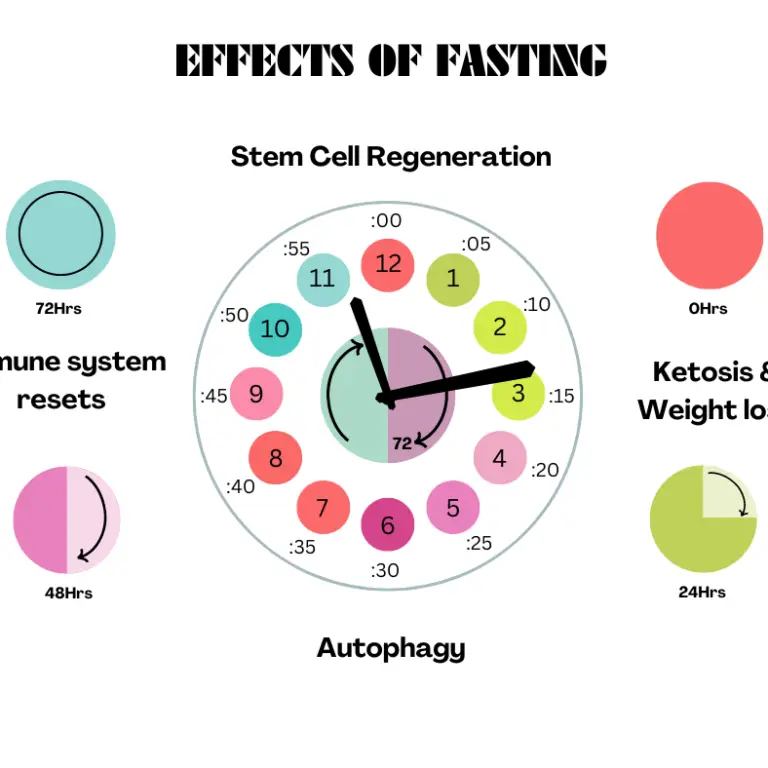
If you do extended fasting (24–72h), read:
For people who are malnourished or at risk, refeeding too quickly can be dangerous; Cleveland Clinic explains refeeding syndrome risk in malnourished people.
Source: Cleveland Clinic: Refeeding syndrome. :contentReference[oaicite:21]{index=21}
Quality checklist: how to choose safer supplements
1) Prefer products with simple ingredient lists
2) Avoid “proprietary blends” (unknown dosing)
3) Check for added sugars (especially in electrolytes/probiotics gummies)
4) If you compete in sport, consider third-party tested products (NSF/Informed Choice)
5) If you have kidney/heart/blood pressure issues, don’t self-prescribe electrolytes
Mayo Clinic notes intermittent fasting is not for everyone (including pregnancy/breastfeeding, eating disorders, high risk of bone loss/falls).
Source: Mayo Clinic intermittent fasting FAQ. :contentReference[oaicite:22]{index=22}
Conclusion
The best supplements for fasting are usually the simplest:
- electrolytes (sodium/potassium/magnesium) if you get symptoms
- creatine if you train and want strength/performance support
- B12 / vitamin D / omega-3 only when your diet/lifestyle makes them relevant
- iron/folate only when clinically appropriate
The biggest “fasting supplement” mistake is chasing hype while ignoring basics. Start with hydration, sleep, protein-first meals, and clean fasting drinks — then add supplements only when they solve a real problem.
Frequently Asked Questions
Can I take omega-3 while fasting?
Fish oil contains fat (and therefore calories). For a strict clean fast, take omega-3 in your eating window. For weight-loss fasting, many people still prefer taking it with food for better tolerance. :contentReference[oaicite:23]{index=23}
Can I take vitamin D while fasting?
Vitamin D is fat-soluble and is typically best taken with meals for absorption. If it’s in an oil capsule, it contains calories, so take it in the eating window. :contentReference
Are electrolyte supplements safe while fasting?
They can be helpful, especially for symptoms like headaches and cramps, but too much can be risky—especially for people with kidney disease, heart disease, or blood pressure issues. If symptoms are severe, get medical guidance. :contentReference
What supplements are most helpful for fasting side effects?
For many people: water + electrolytes first. Then consider magnesium if you have cramps/sleep issues. For persistent symptoms, reassess fasting schedule and meal quality.
Does creatine break a fast?
Creatine is widely used for training performance; many people take it without appetite issues. If you want strict fasting, take it during your eating window.
Should I take vitamins while fasting?
For daily intermittent fasting, many people don’t need extra vitamins if their diet is balanced. If you use vitamins, taking them in the eating window can reduce nausea and improve absorption (especially for fat-soluble vitamins).
External sources (credible)
- Johns Hopkins: what you can drink while fasting :contentReference[oaicite:27]{index=27}
- NIH ODS: Potassium (consumer) :contentReference[oaicite:28]{index=28}
- NIH ODS: Magnesium (consumer) :contentReference[oaicite:29]{index=29}
- NIH ODS: Iron (consumer) :contentReference[oaicite:30]{index=30}
- NIH ODS: Vitamin D (consumer) :contentReference[oaicite:31]{index=31}
- NIH ODS: Omega-3 fatty acids (consumer) :contentReference[oaicite:32]{index=32}
- NIH ODS: Probiotics (consumer) :contentReference[oaicite:33]{index=33}
- ISSN: creatine position stand (PMC) :contentReference[oaicite:34]{index=34}
- Cleveland Clinic: electrolyte imbalance symptoms :contentReference[oaicite:35]{index=35}