Intermittent fasting can be an effective and sustainable way to lose fat — but it’s also very easy to do it in a way that causes weight gain instead of weight loss. Most people don’t gain weight because “fasting doesn’t work.” They gain weight because of a few predictable mistakes: overeating in the eating window, drinking hidden calories, under-eating protein, sleeping poorly, or fasting too aggressively and then rebounding.
This post breaks down the most common intermittent fasting mistakes that cause weight gain — and gives you simple fixes you can apply immediately.
Pillar guide (start here): Intermittent Fasting for Weight Loss: Practical Plan That Works
Timing matters: Intermittent Fasting Timing & Duration: Best Frequency and Eating Window
Hidden calories are real: What Breaks a Fast? Foods, Supplements & Hidden Calories
Quick self-check (most people have 2–4 of these)
If fasting isn’t working for you, circle the ones that apply:
- I skip meals, then overeat at night
- I drink coffee with milk/cream or “healthy drinks”
- My meals are random and not planned
- I don’t prioritize protein
- My sleep got worse since fasting
- I fast too long, then binge
- Weekends undo my progress
- I’m not moving much
If you relate to that list, good — it means your problem is fixable.
Mistake #1: Neglecting nutrient density in meals
What happens: You fast all morning, then “break your fast” with low-nutrient foods (pastries, fast food, chips). You may still stay within your eating window, but the meal doesn’t keep you full, and cravings skyrocket later.
Why it causes weight gain:
- low nutrient density often means low fiber and low protein
- you get hungry faster
- you snack more
- you overeat later
Fix (simple): use the “protein + produce” rule
At least one of your meals every day should look like:
- protein (eggs, chicken, fish, tofu, yogurt)
- vegetables (big portion)
- optional carbs (rice/oats/potatoes if needed)
- moderate fats (olive oil/avocado/nuts)
Helpful:
External support: Fiber helps fullness and digestion:
Mistake #2: Overeating during the eating window
This is the #1 intermittent fasting mistake.
What happens: You fast, then you “reward eat” — huge meals, snacks, desserts — because you feel you earned it.
Why it causes weight gain:
Fasting does not guarantee fat loss. If you eat more calories than you burn during the eating window, you gain weight.
Fix (3 steps):
1) Break your fast with a smaller, protein-first meal
2) Wait 15–20 minutes (satiety signals need time)
3) Eat a second meal later if needed instead of one huge meal
Read:
Mistake #3: Not eating enough (then bingeing later)
This sounds weird, but it’s common.
What happens: You fast hard, then eat too little, then your hunger builds… and later you binge.
Why it causes weight gain:
- extreme hunger increases cravings
- you lose control later
- weekend or nighttime overeating cancels the deficit
Fix: aim for “enough” protein + enough calories
If you’re consistently under-eating, your body pushes back with appetite and cravings. Use a stable plan:
- 2–3 real meals in your eating window
- protein at each meal
- include carbs if training demands it
Mistake #4: Neglecting hydration (and electrolytes)
What happens: You feel “hungry,” but you’re actually thirsty or low on electrolytes.
Why it causes weight gain:
- thirst feels like hunger
- headaches lead to “I need food”
- fatigue leads to poor food choices
Fix: hydration rules
- start the day with water
- drink water during the fasting window
- consider electrolytes if headaches/dizziness happen (zero sugar)
Read:
Mistake #5: Setting a too strict eating window
What happens: You choose 18:6 or OMAD immediately, your life doesn’t fit it, and you either quit or binge.
Why it causes weight gain:
- strict windows increase stress
- social situations become “all-or-nothing”
- people rebound hard when they break the plan
Fix: use the “minimum effective window”
Start with:
- 12:12 or 14:10
Then progress to: - 16:8 only if it feels easy and sustainable
Timing guide:
Mistake #6: Too much processed and junk food
What happens: You “fast correctly” but your eating window is mostly ultra-processed foods.
Why it causes weight gain:
Ultra-processed foods are easy to overeat because they’re:
- calorie dense
- low in fiber
- designed to be highly rewarding
Fix: the 80/20 rule
- 80% whole foods
- 20% treats (planned, not constant)
A practical approach:
- pick 1 treat meal per week, not a treat day
Mistake #7: Drinking caloric drinks (hidden calories)
This is one of the biggest silent killers.
Common culprits:
- coffee with milk/cream/syrup
- “healthy” smoothies
- sugary tea
- alcohol
- sports drinks
Why it causes weight gain:
Liquid calories don’t fill you up like food, but they add up quickly.
Fix: clean fasting drinks
During fasting window:
- water
- black coffee
- unsweetened tea
- calorie-free electrolytes
Read:
Mistake #8: Not enough protein
Protein is the fasting “anchor” because it:
- increases fullness
- supports muscle maintenance
- reduces cravings
Why low protein causes weight gain:
- you get hungry faster
- you snack more
- you lose muscle over time (which can reduce daily calorie burn)
Fix: protein target rule
Aim for protein at every meal in your eating window.
If you lift weights, protein becomes even more important.
Read:
Mistake #9: Lack of physical activity (especially strength training)
You don’t need extreme exercise, but movement matters for:
- calorie burn
- insulin sensitivity
- mood and appetite control
- muscle maintenance
Fix: minimum effective activity
- walk daily (start with 20–30 minutes)
- strength train 2–3 times/week (even simple programs)
Workout timing matters:
External reference:
Mistake #10: Insufficient sleep
Sleep affects fat loss more than most people think.
Why poor sleep causes weight gain:
- increases hunger and cravings
- reduces willpower and planning
- increases stress-eating in many people
Fix: sleep protection rules
- don’t push fasting longer if sleep suffers
- shift your eating window earlier if late dinner hurts sleep
- reduce caffeine late in the day
External reference:
Mistake #11: Extended fasting done wrong
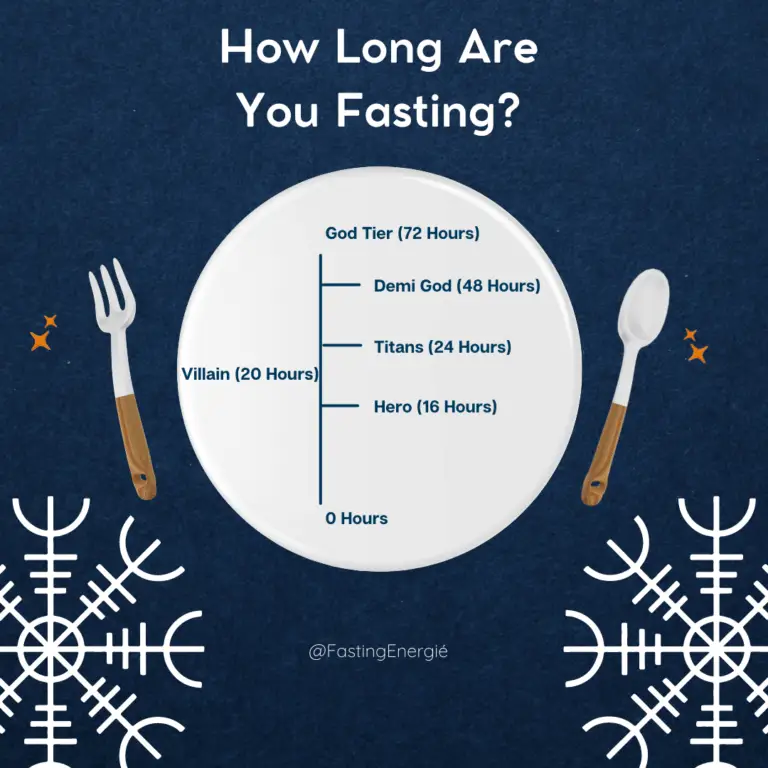
Longer fasts (24–72 hours) can sound “more powerful,” but they often backfire for weight loss if they cause rebound eating.
Why it causes weight gain:
- extreme hunger → binge eating
- fatigue → poor food choices
- electrolyte issues → “I need food”
Fix: don’t go extreme to lose fat
Most people get better results from consistent 14:10 or 16:8.
If you want longer fast info:
Mistake #12: Failure to listen to your body
Fasting is a tool. If you ignore your body’s signals, fasting becomes stress.
Signs you should adjust your plan:
- persistent dizziness
- worsening sleep
- constant irritability
- binge episodes
- feeling weak during workouts
Fix: adjust one variable at a time
- shorten fasting window
- move eating earlier
- improve protein and fiber
- add electrolytes
- reduce fasting frequency
Safety guide:
Plateaus: “Do you eventually stop losing weight with IF?”
Plateaus are common — and they are fixable.
Common plateau causes:
- portion sizes increased over time
- weekend overeating
- liquid calories
- reduced activity
- poor sleep
- “snacking inside the window”
Plateau fix checklist (7-day reset):
1) Keep fasting schedule consistent (14:10 or 16:8)
2) Remove snacks for 7 days
3) Protein-first first meal
4) Walk daily
5) Sleep 7–9 hours if possible
6) Drink only calorie-free drinks during fasting
Pillar support:
Conclusion
Intermittent fasting can absolutely support fat loss — but these intermittent fasting mistakes are what cause weight gain:
- overeating in the window
- liquid calories
- low protein
- poor sleep
- overly strict schedules
- low activity
- rebound eating after aggressive fasting
Fix the top 2–3 mistakes first. Most people see results quickly when they:
- keep a moderate fasting schedule (14:10 or 16:8)
- eat protein-first meals
- stop drinking calories
- sleep better
- move daily
Frequently Asked Questions
Why am I gaining weight when intermittent fasting?
Most commonly: overeating in the eating window, drinking hidden calories, low protein, poor sleep, or weekend binge eating that cancels the weekly deficit.
Why am I not losing weight on 16:8 fasting?
Often because the eating window turns into snack time, liquid calories creep in, portions increase, or weekends erase progress. A 7-day reset (protein-first, no snacks, clean drinks) usually reveals the issue.
Why is my stomach getting bigger while fasting?
Often bloating from large meals eaten too quickly, high-sodium processed foods, or digestive sensitivity. Try smaller break-fast meals and more cooked foods.
Do you eventually stop losing weight with intermittent fasting?
Plateaus happen with any plan. Adjust portions, reduce snacks, increase steps, improve sleep, and keep consistency. Most plateaus are behavioral, not “metabolic damage.”
What is the biggest mistake with intermittent fasting?
Overeating during the eating window. Fasting only works for weight loss when your weekly calories are lower than your weekly calorie burn.
External sources (credible)
- Mayo Clinic: intermittent fasting overview
- Johns Hopkins: intermittent fasting explained
- Harvard: fiber and fullness
- CDC: physical activity basics
- CDC: sleep and health