Choosing the right drinks during fasting can make intermittent fasting much easier—or quietly ruin your results without you realizing it. Most people don’t fail fasting because of food. They fail because of hidden calories in drinks, sweeteners that trigger cravings, or electrolyte mistakes that cause headaches and fatigue.
In this guide you’ll learn:
- what you can drink during fasting (and why)
- what usually breaks a fast (even if the label says “zero”)
- how to use electrolytes correctly
- whether apple cider vinegar and “fasting enhancers” are worth it
- simple drink rules for weight loss, performance, and busy workdays
Start here first (pillar): Intermittent Fasting Guide: Start Here
If you’re confused about food/supplements breaking a fast: What breaks a fast? (foods, supplements & hidden calories)
Quick answer (what’s allowed)
Safest “clean fast” drinks:
- water (still or sparkling)
- black coffee (no sugar, milk, cream)
- plain tea (green/black/oolong)
- herbal tea (no sweeteners)
- electrolytes with zero sugar / zero calories (label check)
Most likely to break a fast:
- milk, cream, sugar, honey
- juice, soda, sports drinks
- protein drinks, BCAA drinks, collagen drinks (usually)
- “diet” drinks that contain calories or trigger cravings for you
- coffee with flavored syrup/creamer
Clean fasting vs flexible fasting (choose your goal)
Before we list drinks, decide what kind of fasting you’re doing:
Clean fasting (best for consistency)
You avoid anything that might trigger insulin response, appetite, or calories.
- Best for: weight loss, appetite control, people who snack easily
- Allowed: water, black coffee, plain tea, calorie-free electrolytes
Flexible fasting (some people choose this)
You allow tiny amounts of calories (like a splash of milk) if it improves adherence.
- Best for: beginners who struggle, people easing into fasting
- Risk: “tiny calories” often becomes “not tiny” over time
Practical rule: If a drink makes you hungrier, crave sweets, or overeat later, it’s not helping your fast—even if it has 0 calories.
The one rule that solves 80% of confusion
If you’re fasting for weight loss and consistency, use this default:
✅ If it has calories, assume it breaks the fast.
Then choose exceptions intentionally (not accidentally).
Full breakdown:
Water (the #1 fasting drink)
Water is the most important drink during fasting because it prevents:
- dehydration (often mistaken for hunger)
- headaches
- fatigue
- constipation
Why water helps fasting feel easier
Many people confuse thirst and hunger—especially during the first 7–10 days of fasting. Staying hydrated reduces “false hunger signals” and helps energy feel steadier.
Still vs sparkling water
Both are fine for fasting.
- Choose sparkling if it helps appetite or replaces soda cravings.
- Avoid flavored sparkling waters with sweeteners if they trigger cravings for you.
Pro tip: If you get headaches, consider electrolytes (not just more water).
See: Fasting side effects: causes + fixes
Green tea (fatigue support + low appetite for many)
Green tea is one of the most popular drinks during fasting because it’s:
- calorie-free (when plain)
- contains caffeine (gentle energy boost)
- contains antioxidants
How to use green tea while fasting
- Best time: late morning or early afternoon
- Avoid: adding sugar, honey, milk, or flavored syrups
If caffeine affects your sleep, cut it earlier in the day—sleep is a major factor in hunger and cravings.
External reference (general safety on IF):
Herbal tea (best option for appetite + stress)
Herbal tea is a great fasting drink because:
- it’s naturally calorie-free (when plain)
- it can help with cravings and “habit hunger”
- it can support relaxation (especially in the evening)
Best herbal teas during fasting
- peppermint tea (cravings + digestion)
- ginger tea (nausea + digestion)
- chamomile tea (relaxation/sleep support)
What to avoid
- “detox teas” with strong laxatives (can cause dehydration)
- sweetened herbal teas
- tea lattes, milk teas, sugar-free syrups (often trigger cravings)
Black coffee (allowed, but it depends on your body)
Black coffee is one of the most used drinks during fasting because:
- it’s nearly calorie-free
- it boosts alertness and focus
- many people feel it reduces appetite
Coffee rules during fasting
✅ Allowed:
- black coffee
- espresso
- americano (water + espresso)
❌ Usually breaks a fast:
- milk/cream
- sugar/honey
- flavored creamers
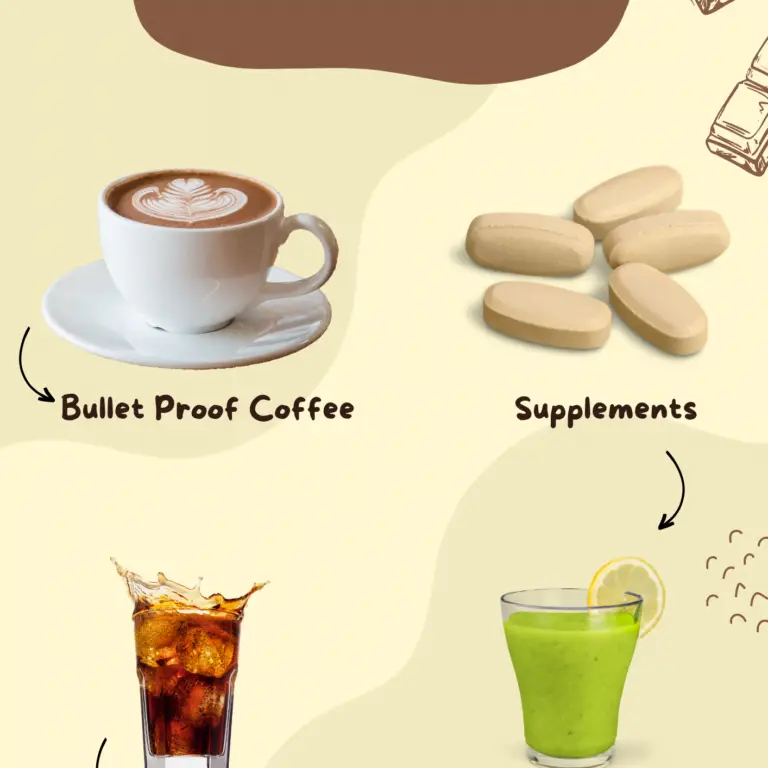
- “bulletproof coffee” (fat calories)
Coffee and hunger
For some people coffee suppresses appetite. For others it increases anxiety or triggers cravings later. If coffee makes you shaky or overly hungry, reduce it or drink it with more water.
Electrolytes (often the missing piece)
Electrolytes are minerals like:
- sodium
- potassium
- magnesium
They help regulate:
- hydration
- nerve function
- muscle function
- blood pressure
When electrolytes matter most
Electrolytes can be especially helpful if you experience:
- headaches
- dizziness
- fatigue
- cramps
- “wired but tired” feeling
These are common in early fasting or on hot/training days.
How to choose electrolytes during fasting
✅ Choose:
- no sugar
- zero calories
- no “hidden carbs”
❌ Avoid:
- sports drinks with sugar
- electrolyte drinks with calories
- electrolyte powders with sweeteners that trigger cravings (some people)
If you’re unsure about additives:
- use the “calories = breaks fast” rule
- or choose the cleanest label possible
Safety note:
If you have blood pressure issues or take medications, be cautious with sodium and talk to a clinician.
See also:
Apple cider vinegar (ACV): does it help fasting?
Apple cider vinegar is often used during fasting, usually diluted in water.
Potential benefits (realistic)
Some people report:
- reduced appetite
- better digestion
- improved satiety
But ACV is not a magic fat burner. Think of it as a possible appetite tool for some people, not a requirement.
How to take ACV safely
- dilute it in water (never straight)
- start with small amounts
- avoid if it irritates your stomach or worsens reflux
- protect teeth (rinse mouth after)
If ACV makes you feel sick, skip it. Fasting should be sustainable.
“Fasting enhancers” (ginger, cinnamon, turmeric, cayenne)
These spices can be useful, but most benefits happen as part of your overall diet—not as “magic fasting boosters.”
Ginger
- can help digestion and nausea
- may reduce inflammation
- can be calming for the stomach
Best use: ginger tea or ginger in meals during eating window.
Cinnamon
- often discussed for blood sugar support
- can reduce cravings for sweet flavors (for some people)
Best use: add to yogurt, oats, or coffee (without sugar).
Turmeric
- known for anti-inflammatory properties
- can be helpful in food, especially with black pepper for absorption
Best use: in meals, soups, curries, or golden milk (but golden milk with milk/calories breaks fasting).
Cayenne pepper
- thermogenic effect is often overstated
- can help appetite slightly in some people
Best use: in meals; avoid if it irritates your stomach.
Important: Don’t force these if they cause GI issues. “More spices” isn’t better.
What drinks BREAK a fast (common hidden traps)
If your goal is fat loss and a clean fast, these commonly break the fast:
1) Any drink with sugar
- juice
- soft drinks
- sweetened tea/coffee
- flavored “health drinks”
2) Milk, cream, and “coffee extras”
Even small additions can add up daily.
3) Protein drinks / BCAAs / collagen drinks
These often contain calories and can trigger a feeding response.
If you’re training hard, take protein inside your eating window.
Performance support:
4) “Zero” drinks that trigger cravings
Some people can drink diet soda without issues. Others get hungrier and binge later.
Rule: test your own response for 7–10 days.
5) Alcohol (not a fasting drink)
Alcohol breaks a fast and increases appetite for many people.
Best kept inside eating window if used at all, and not during “clean fasting.”
Best drink timing during fasting (simple schedules)
Morning (fasting window)
- water + black coffee or plain tea
- if headaches: electrolytes
Afternoon
- green tea (if caffeine tolerance)
- sparkling water if cravings
- herbal tea if anxious/hungry
Evening
- herbal tea (chamomile/peppermint)
- water
Avoid late caffeine (sleep matters).
Drink strategy by goal
If your goal is weight loss
Priority:
- water
- black coffee/tea
- avoid calorie drinks and “snack drinks”
Also focus on eating-window meals: - Intermittent fasting for weight loss
- IF mistakes that cause weight gain
If your goal is performance / muscle maintenance
Priority:
- hydration + electrolytes (especially training days)
- caffeine only if it helps and doesn’t harm sleep
- avoid fasting too aggressively if it kills performance
Start here:
If your goal is routine and busy schedule consistency
Priority:
- simple rules (water, black coffee, tea)
- avoid fancy fasting hacks
Start here: - IF for busy professionals
Troubleshooting (most common problems)
“I get headaches when fasting”
Most common causes:
- dehydration
- electrolyte imbalance
- caffeine withdrawal
Fix:
- increase water
- consider electrolytes
- reduce caffeine slowly rather than suddenly
Guide:
“Coffee makes me anxious or hungry”
Fix:
- reduce caffeine
- drink water first
- switch to tea or decaf
- don’t use coffee as a “meal replacement crutch”
“I can’t stop cravings at night”
Fix:
- use herbal tea at night
- consider earlier eating window
- improve dinner protein and fiber
Conclusion
The best drinks during fasting are simple:
- water
- black coffee
- plain tea / herbal tea
- electrolyte drinks with zero calories
Avoid the common traps: milk, sugar, fancy coffee, caloric “health drinks,” and anything that triggers cravings for you. If you keep drinks simple, fasting becomes easier, more consistent, and more effective.
Next helpful reads:
Frequently Asked Questions
What drinks are allowed during intermittent fasting?
Water, black coffee, plain green/black tea, herbal tea (unsweetened), and calorie-free electrolytes are the safest options.
Do electrolytes break a fast?
Electrolytes usually don’t break a fast if they contain zero sugar and zero calories. Always check the label.
Can I drink black coffee while fasting?
Yes. Black coffee is generally allowed. Avoid milk, cream, sugar, and flavored syrups if you want a clean fast.
Does apple cider vinegar break a fast?
Usually no if diluted and taken in small amounts, but responses vary. If it causes stomach irritation or cravings, skip it.
What drinks should I avoid while fasting?
Avoid sugar drinks, juices, milk-based coffee drinks, protein drinks, sports drinks with sugar, and anything with calories.
How can I boost fasting results safely?
Consistency matters more than “hacks.” Stick to a sustainable fasting schedule, prioritize sleep, walk more, strength train, and keep eating-window meals high in protein and fiber.
Start here: IF for weight loss