If you’ve ever asked “what breaks a fast?”, you’re not alone — it’s one of the biggest reasons people get inconsistent results with intermittent fasting. Many “fasting mistakes” aren’t food at all. They’re drinks, sweeteners, supplements, and tiny add-ons that quietly introduce calories (or trigger cravings) and make you overeat later.
This guide will help you understand:
- what breaks a fast for different goals (weight loss vs autophagy vs metabolic health)
- which foods/drinks/supplements are “definitely breaks,” “depends,” or “usually safe”
- hidden calories people miss (coffee add-ins, gummies, powders)
- how to use a simple rule that works in real life
Start here (pillar): Intermittent Fasting Guide: Start Here (Schedules, Rules & Safety)
Drinks confusion? Read this next: Best Drinks During Fasting: Coffee, Tea, Electrolytes (What’s Allowed?)
Quick Answer (the simple rule)
If your goal is weight loss and consistency, use this rule:
If it has calories, assume it breaks your fast.
Then choose exceptions intentionally — not accidentally.
If your goal is “clean fasting” (autophagy/metabolic strictness), be even stricter:
- no calories
- avoid sweeteners if they trigger cravings or appetite for you
What breaks a fast depends on your goal
Different people fast for different reasons. The drink or supplement that “doesn’t matter” for one goal may matter for another.
Goal A: Weight loss (most common)
For weight loss, the biggest drivers are:
- calorie balance over time
- appetite control
- consistency
Small “almost-zero” items might not ruin fat loss by themselves — but if they trigger cravings or lead to overeating, they absolutely hurt your progress.
Start here: Intermittent fasting for weight loss (practical plan)
Also read: IF mistakes that cause weight gain (fixes included)
Goal B: Metabolic health / insulin sensitivity
Here, it’s not only calories — it’s also what triggers glucose/insulin response and appetite for you.
If you have medical conditions, see: Intermittent fasting and type 2 diabetes (safety + evidence)
Goal C: “Clean fast” / autophagy-focused
Autophagy is often discussed with fasting, but human timing isn’t exact. If you’re fasting for “clean” benefits, you usually want:
- water
- black coffee / unsweetened tea (if tolerated)
- avoid caloric add-ons and many supplements
Deep guide: Autophagy and intermittent fasting: timeline + what’s known
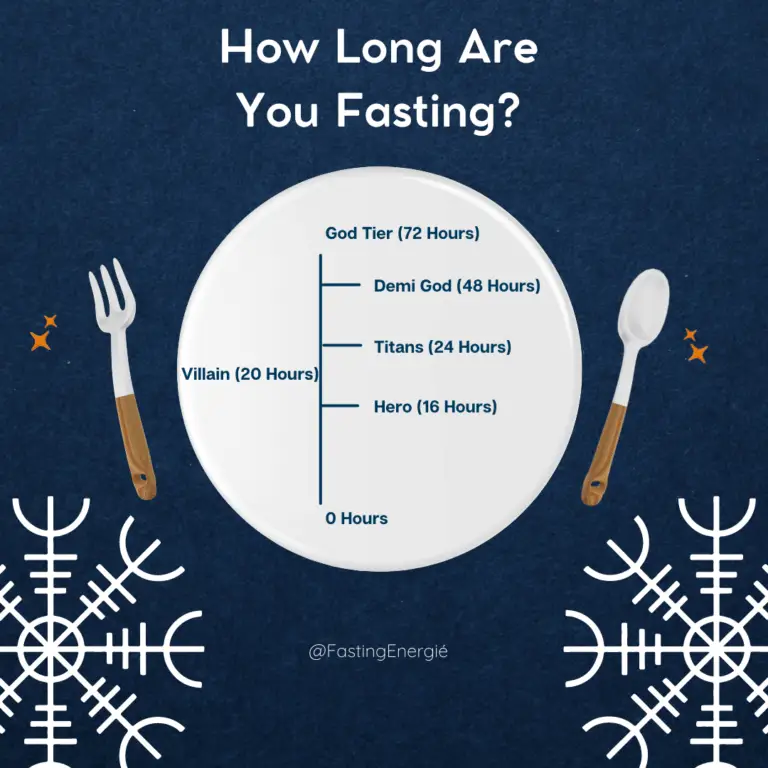
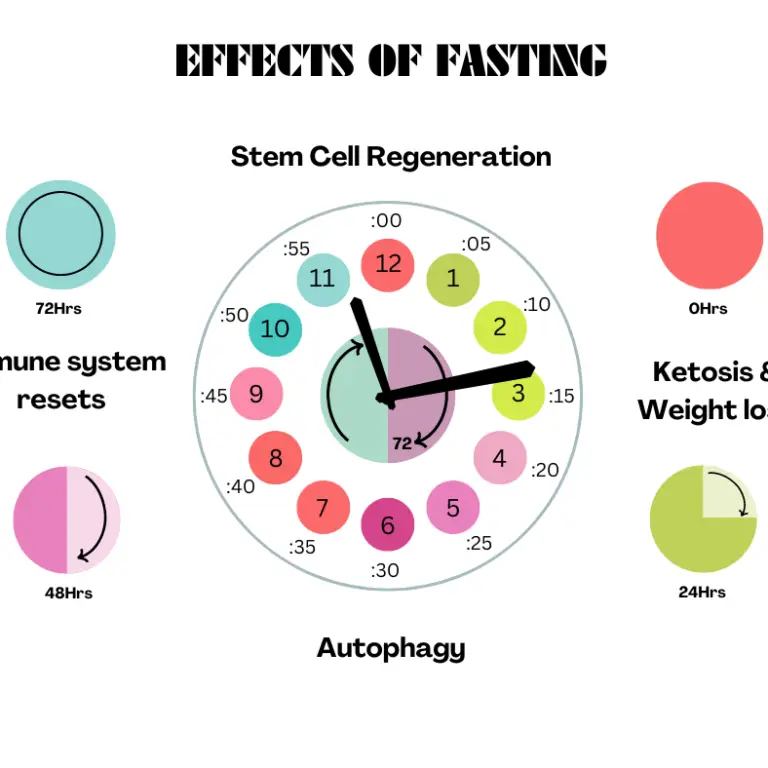
Stages: 12 to 72 hours of fasting (simple timeline)
The 3 fasting “modes” (so you stop getting confused)
1) Clean fasting (strict)
Goal: strongest consistency and “clean” fasting state.
- Water
- Black coffee
- Unsweetened tea
- Zero-calorie electrolytes (label check)
2) Flexible fasting (practical)
Goal: adherence. You keep calories near zero, but you don’t obsess over microscopic traces.
- A tiny splash of milk might be tolerated by some people
- BUT watch if it leads to bigger add-ons or cravings
3) Fasting-mimicking / “break-fast lite”
This isn’t really fasting; it’s a controlled low-calorie approach (like bone broth or small fats). It can be used as a transition tool, but technically it breaks a clean fast.
If you’re unsure which type fits you, start with clean fasting rules for 2 weeks, then loosen only if needed.
What definitely breaks a fast (foods + drinks)
This section answers “what breaks a fast?” in the most direct way. These items add calories (and often trigger digestion/insulin/appetite).
1) Sugar, honey, syrups (any amount)
- breaks the fast
- triggers appetite and blood sugar changes for most people
Examples:
- sugar in coffee
- honey in tea
- flavored syrups
2) Juice, smoothies, and “healthy drinks” with calories
Even green juice or a smoothie is still calories and typically breaks the fast.
- Fruit juice is concentrated sugar
- Smoothies can be deceptively high-calorie and easy to drink quickly
If you want to break a fast gently, use food — not juice.
3) Milk, cream, and most dairy drinks
Milk/cream adds calories and protein/fat, which breaks a clean fast.
Common hidden breaks:
- “just a little milk” daily → becomes 50–150 calories
- flavored creamer → even more
If you insist on a flexible fast, keep it truly tiny and measure it once to see what “tiny” actually means.
4) Alcohol
Alcohol breaks a fast and often increases appetite and poor food choices later. Save it for your eating window if you drink.
5) Bone broth (yes, it breaks a fast)
Bone broth contains protein and calories. It can be great to break a fast, especially after longer fasting windows, but it’s not a clean fasting drink.
Practical use:
- If you’re ending a 16–24 hour fast: bone broth can be a gentle first step
- If you’re in the fasting window and trying to stay “clean”: skip it
6) MCT oil and any oil
MCT oil is calories (fat calories). It breaks a fast.
Some keto users intentionally take it in a “fat fast,” but that’s not the same as fasting.
If fat loss is your goal, adding oils to coffee during fasting often becomes “calories you didn’t count.”
7) Bulletproof coffee
Coffee + butter + MCT oil can be satisfying — but it’s a meal (calories). It breaks a fast.
If you like bulletproof coffee, treat it as part of the eating window or as a breakfast replacement — not a fasting drink.
What “depends” (small add-ons, sweeteners, lemon water)
This is where most confusion happens.
1) Artificial sweeteners (diet soda, sweetened “zero” drinks)
Calories: usually zero
But: some people find sweeteners increase cravings or appetite, which indirectly breaks fasting goals (especially weight loss).
A practical approach:
- If you can drink a diet soda and still eat normally: it may not matter for weight loss
- If it triggers cravings or binge eating: it’s a problem
If you want strict “clean fasting,” avoid sweeteners and stick to water/coffee/tea.
2) Diet soda / energy drinks
- Diet soda: may not add calories, but can trigger cravings for some people
- Energy drinks: even “zero sugar” versions can include additives; many also contain stimulants that increase anxiety or appetite
For most people, it’s safer to stick to:
- water
- black coffee
- unsweetened tea
See: Best drinks during fasting (coffee, tea, electrolytes)
3) Lemon water
A small squeeze of lemon in water is generally a tiny calorie amount. For most people doing weight-loss fasting, it’s fine.
But if you want the strictest clean fast:
- keep it plain water
4) Apple cider vinegar (ACV)
ACV is often used in water. It’s usually minimal calories, but it can irritate reflux or the stomach for some people.
If it helps appetite: fine.
If it causes nausea or cravings: skip it.
Supplements that break a fast (and why)
This is the second biggest place people unknowingly break a fast: supplements.
The core rule for supplements
If a supplement contains:
- protein
- amino acids
- sugar
- calories
…it very likely breaks a clean fast.
If your goal is performance or muscle, put these supplements inside your eating window.
BCAA (branched-chain amino acids)
BCAAs are amino acids (building blocks of protein). Many people take them during workouts, but for fasting they are a common issue because:
- they can stimulate muscle-building signaling
- they can trigger insulin response in some cases
- they often “counts as breaking” a clean fast
If you train hard, take protein during eating window and skip BCAA during fasting window.
Performance guides:
- Intermittent fasting for athletes & bodybuilders
- Intermittent fasting and muscle gain (protein strategy)
Collagen powder
Collagen is protein. It has calories. It breaks a fast.
Collagen is best used in your eating window, especially if you like it for joint/skin support.
Pre-workout supplements
Pre-workouts vary wildly. Some are “almost zero,” others contain:
- sugars
- carbs
- amino acids
- calories
Even if calories are low, the stimulants can spike anxiety and make fasting feel worse. If you must use pre-workout:
- use a zero-cal version
- test whether it triggers hunger or overeating later
- consider using it only during eating window
Workout timing: Exercising while fasting (best timing for strength + cardio)
Protein shakes
Protein shakes break a fast. Full stop.
But protein shakes are excellent inside your eating window, especially for athletes.
If your goal is muscle maintenance/gain:
- use protein in the eating window
- focus on total daily protein
Fat-soluble vitamins and fish oil
Vitamins are not all the same.
- Fat-soluble vitamins (A, D, E, K) are often better absorbed with food and fat.
- Fish oil contains calories (fat).
- Many people feel nausea when taking vitamins on an empty stomach.
Best practice:
- take these in your eating window with a meal
Hidden calories checklist (the top things people miss)
If you feel like you’re fasting but results aren’t moving, check these:
1) Coffee add-ons
- milk “just a splash”
- creamer
- flavored syrup
- protein coffee
2) “Health” drinks
- kombucha (often has calories)
- flavored waters with sweeteners
- smoothies and juices
3) “Zero” snacks
- sugar-free candies (can still stimulate cravings; some cause GI issues)
4) Supplements and gummies
- gummy vitamins (often sugar)
- collagen/BCAA powders
- pre-workouts with calories
5) Small bites while cooking
- tasting sauces
- bites of kids’ snacks
- “just one” cracker
These are small, but daily small becomes big.
What breaks a fast for weight loss vs autophagy (practical rules)
If your goal is weight loss
Priorities:
1) avoid calorie drinks and calorie add-ons
2) avoid craving triggers
3) keep eating window meals high protein and fiber
Start here:
If your goal is “clean fasting” / autophagy-focused
Strict approach is simplest:
- water
- black coffee
- unsweetened tea
- calorie-free electrolytes (label check)
Avoid: - sweeteners (if possible)
- BCAA/collagen/protein
- oils and broths
Deep guide:
If your goal is performance
Priority:
- hydration + electrolytes
- protein inside eating window
- time training near eating window
Start here:
- IF for athletes & bodybuilders
- Exercising while fasting
- IF and muscle gain
- Supplements for fasting (what helps vs hype)
Troubleshooting: “I’m fasting but not losing weight”
Most often, it’s one of these:
1) You’re drinking calories
Coffee add-ons are the #1 culprit.
2) You’re overeating in the eating window
Fasting does not automatically create a calorie deficit.
Fix:
- protein-first meals
- high fiber
- reduce ultra-processed foods
See: IF mistakes that cause weight gain
3) Your schedule is too aggressive → rebound eating
If you’re doing 18:6 or OMAD and bingeing at night, switch to 14:10 or 16:8.
See: Intermittent fasting timing & duration (best frequency and eating window)
4) Sleep is wrecked
Poor sleep increases hunger and cravings. If fasting hurts sleep, shorten the fast or move the eating window earlier.
Frequently Asked Questions
What breaks a fast the fastest?
Anything with calories — especially sugar, milk/cream, juices, oils (MCT), and protein/amino acids.
Does bone broth break a fast?
Yes. Bone broth contains protein and calories, so it breaks a clean fast. But it can be a great way to break a fast gently.
Does Coke Zero break a fast?
For weight loss, it usually doesn’t add calories. But for some people, sweeteners trigger cravings and overeating, which can harm results. For a strict “clean fast,” it’s better to avoid sweeteners.
Will 15 calories break a fast?
Technically yes (it’s calories). Practically, one small instance may not ruin weight loss, but repeated small calories can add up and reduce appetite control. If you want clean fasting, avoid any calories.
Does lemon water break a fast?
A small squeeze of lemon is usually minimal and fine for most weight-loss fasting. For a strict clean fast, stick to plain water.
Can I take vitamins while fasting?
Many vitamins (especially fat-soluble vitamins A/D/E/K) are better with food and can cause nausea on an empty stomach. It’s usually best to take vitamins in your eating window.
Conclusion
The cleanest answer to “what breaks a fast” is: calories break a fast — and hidden calories are everywhere (coffee add-ons, oils, broths, powders, gummies). If you keep fasting drinks simple (water, black coffee, plain tea, zero-cal electrolytes) and move calorie-containing supplements into your eating window, fasting becomes easier and results become more consistent.