Intermittent fasting (IF) and fasting-mimicking diets (FMD) are two of the most discussed “fasting-style” approaches for weight loss, metabolic health, and healthy aging. They sound similar — but they are not the same tool.
Intermittent fasting is mainly about meal timing (when you eat). Fasting-mimicking diets are about a short, structured, very low-calorie eating plan designed to create some “fasting-like” biological signals while still allowing food.
This guide compares IF vs FMD in plain language — including benefits, drawbacks, safety, and who each approach is best for.
Start here if you’re new to fasting: Intermittent Fasting Guide: Start Here (Schedules, Rules & Safety)
Medical note: This article is educational and not medical advice. If you’re pregnant/breastfeeding, under 18, older with frailty, underweight, have a history of eating disorders, have diabetes (especially if on glucose-lowering medications), kidney disease, heart failure, or take medications that require food, consult a clinician before doing IF or FMD.
Quick verdict: which should you choose?
If you only want the bottom line:
- Choose Intermittent Fasting (IF) if you want a daily routine you can repeat long-term, especially for weight loss, appetite control, and lifestyle structure.
- Consider Fasting-Mimicking Diet (FMD) if you want a short, structured 5-day “cycle” a few times per year or periodically — and you can follow a strict plan safely (ideally with medical guidance).
Most people do best starting with IF first. It’s more flexible, cheaper, easier to maintain, and easier to adapt to work/training/social life.
If your focus is fat loss: Intermittent Fasting for Weight Loss: Practical Plan That Works
What IF and FMD have in common (and what they don’t)
Both can:
- reduce total calorie intake (directly or indirectly)
- lower insulin exposure and improve some metabolic markers (in some people)
- encourage better food structure and fewer snacks
The biggest difference:
- IF = timing framework (you control the eating window)
- FMD = a strict “diet protocol” (specific calories + macros for several days)
In other words, IF is a lifestyle tool; FMD is a planned intervention cycle.
Understanding Intermittent Fasting (IF)
Intermittent fasting is not a food list — it’s a pattern of alternating eating and fasting periods. It can be simple (like 14:10) or more intense (like 24-hour fasts). Many people use IF because it reduces snacking, simplifies decisions, and creates a structure that’s easier to follow than constant calorie tracking.
Johns Hopkins explains the concept of metabolic switching — after hours without food, the body shifts from using sugar from the last meal toward using stored energy (including fat). See: Johns Hopkins Medicine: intermittent fasting explained
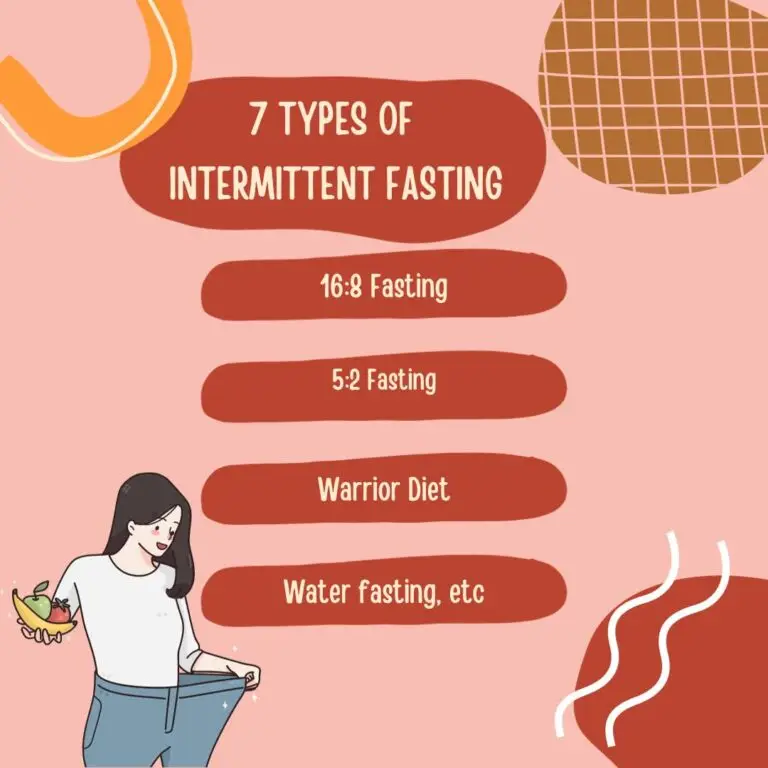
Most common IF schedules
- 12:12 — gentle starter schedule
- 14:10 — best “default” for many people (especially women)
- 16:8 — popular and effective if you tolerate it well
- 5:2 — normal eating 5 days, low calories 2 days
- 24-hour fast — once/week or occasionally (advanced)
Internal guide: Types of Intermittent Fasting: 16:8, 5:2, OMAD (Which Fits You?)
Timing guide: Intermittent Fasting Timing & Duration: Best Frequency and Eating Window
Pros of IF
- Flexible: you can adjust your eating window around work and social life
- Low cost: no special food kits required
- Repeatable long-term: easier to maintain week after week
- Good for appetite control: once adapted, many people snack less
Cons of IF
- can trigger overeating if you “reward eat” at night
- can worsen sleep or cravings if the window is too aggressive
- not ideal for everyone (history of eating disorders, pregnancy, diabetes meds without supervision)
If you struggle with weight gain despite fasting, read: 12 Intermittent Fasting Mistakes That Cause Weight Gain (Fixes Included)
Exploring Fasting-Mimicking Diet (FMD)
A fasting-mimicking diet is a short-term, very low-calorie dietary protocol designed to produce some of the metabolic signals of fasting while still allowing food. It is usually implemented as a multi-day cycle (commonly 5 days) and repeated periodically.
The most well-known FMD research and protocol design comes from Dr. Valter Longo’s research group. In human studies, periodic FMD cycles have been associated with changes in risk markers such as body weight, blood pressure, and IGF-1. See: Wei et al., 2017 (Science Translational Medicine).
What an FMD typically looks like
- Duration: commonly 5 consecutive days per cycle (some protocols vary)
- Calories: significantly reduced vs normal intake (often ~40–50% of usual, depending on the protocol/day)
- Macros: generally low protein, low/moderate carbs, higher unsaturated fats (plant-based focus)
- Frequency: varies by goal; research often uses periodic cycles rather than continuous use
More recent analyses of repeated FMD cycles in adults have reported associations with improvements in insulin resistance markers and liver fat in certain trial datasets. See: Brandhorst et al., 2024 (PMC).
Pros of FMD
- Structured: you follow clear rules for a short period
- Feels easier than water-only fasting because you still eat
- Short intervention window (useful for people who don’t want daily fasting)
Cons of FMD
- More restrictive during the cycle (hard for some people mentally/physically)
- Cost: can be expensive if using prepackaged kits
- Not ideal for heavy training weeks (performance and recovery may drop)
- Higher safety caution if you’re on medications, prone to low blood pressure, or at risk of undernutrition
UCLA Health notes that people at high risk of malnutrition/undernutrition should typically avoid fasting diet patterns and that those on medications should consult a doctor first: UCLA Health: Inside the fasting-mimicking diet.
IF vs FMD: side-by-side comparison (easy table)
| Category | Intermittent Fasting (IF) | Fasting-Mimicking Diet (FMD) |
|---|---|---|
| Main lever | Timing (when you eat) | Short structured diet cycle (low calories + specific macros) |
| Best use | Daily routine, long-term fat loss, lifestyle consistency | Periodic intervention cycles (5 days) with strict rules |
| Flexibility | High | Low during the cycle |
| Cost | Low | Often higher (especially kits) |
| Training compatibility | Good with timing + protein | Better with light activity during cycle |
| Evidence base | Large body of research across schedules; results vary | Growing body of research; fewer long-term large trials |
| Safety risk | Usually lower (still not for everyone) | Higher caution (meds, undernutrition, low BP risk) |
Health benefits: what’s evidence-based (and what’s hype)
Both IF and FMD are often marketed as “longevity hacks.” Realistically, the strongest evidence in humans is usually about weight and metabolic risk markers, with more speculative claims around longevity and deep cellular renewal.
For a science-aware overview of fasting benefits and limitations, use: Benefits of Fasting: What’s Evidence-Based (and What’s Not)
1) Weight loss and body fat
IF: Often helps fat loss because it reduces eating opportunities and can improve routine adherence.
FMD: Many people lose weight during the 5-day cycle, but some regain after refeeding if habits remain unchanged. FMD can act as a “reset” period — but long-term weight management still requires a sustainable eating pattern.
If weight loss is the goal, IF is usually more sustainable long-term: IF for Weight Loss: Practical Plan That Works.
2) Insulin sensitivity and metabolic markers
IF: Can improve insulin-related markers in some people, often influenced by weight loss and diet quality. A major medical review discussed mechanisms and health impacts of intermittent fasting: de Cabo & Mattson, 2019 (NEJM / PubMed).
FMD: Human trials and analyses report changes in markers like IGF-1 and other cardiometabolic risk markers after periodic cycles in certain populations. See: Wei et al., 2017 (Science Translational Medicine) and Brandhorst et al., 2024 (PMC).
Important: If you have diabetes or take glucose-lowering medications, fasting can cause dangerous hypoglycemia. Read: Intermittent Fasting & Type 2 Diabetes: Safety + Evidence.
3) Inflammation markers
Both approaches may reduce inflammation markers in some people, especially when body fat decreases and diet quality improves. But the results are not guaranteed — and you should avoid promising “inflammation cure” outcomes.
4) Autophagy and “cellular cleanup” claims
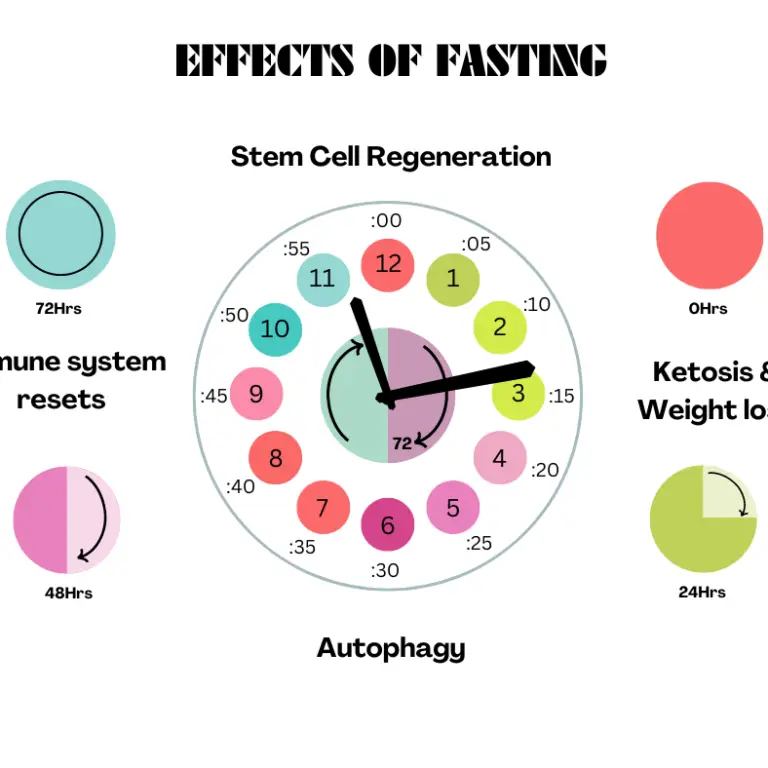
Autophagy is a real cellular process, but exact human timelines and how much IF/FMD “boosts autophagy” in real-world conditions is difficult to measure. This is why responsible content uses cautious language.
If you want a careful timeline-style explanation: Autophagy and Intermittent Fasting: Timeline + What’s Known
5) Longevity / healthy aging
Animal data is stronger than human lifespan data. In humans, what we can more confidently say is: IF and FMD can improve certain risk markers (weight, insulin sensitivity, BP in some trials), which may support better healthspan when combined with strong habits. But lifespan extension is not proven.
Challenges, risks, and safety considerations
IF risks (most common)
- Overeating in the eating window (the #1 reason IF “doesn’t work”)
- Sleep disruption from aggressive fasting or low carbs
- Headaches/dizziness from dehydration/electrolyte issues
- Disordered eating patterns in people prone to restriction/binge cycles
Fix symptoms here: Fasting Side Effects: Symptoms, Causes & How to Manage Safely
FMD risks (common)
- Fatigue and weakness during the 5-day cycle
- Low blood pressure symptoms (lightheadedness, dizziness)
- Undernutrition risk if repeated too frequently or done by underweight individuals
- Medication risks if blood sugar or blood pressure meds aren’t adjusted
UCLA Health highlights avoiding fasting patterns in those at high risk of undernutrition and advises medical consultation for those on medications: UCLA Health: fasting-mimicking diet overview.
Suitability and personalization: who should choose what?
Choose IF if you:
- want a daily routine that fits work and family life
- prefer flexibility (move eating window as needed)
- train regularly and want stable performance
- don’t want to pay for special food kits
Great for busy schedules: IF for Busy Professionals
Consider FMD if you:
- want a short, structured 5-day intervention and can follow strict rules
- prefer “cycles” rather than daily fasting
- can schedule it during a low-stress week (light training, stable sleep)
- can discuss it with a clinician if you have health conditions/medications
Strong caution / avoid both unless medically supervised if you:
- are pregnant or breastfeeding
- have a history of eating disorders
- are underweight or have recent unintended weight loss
- have diabetes on glucose-lowering medications
- have kidney disease, heart failure, or severe low blood pressure
Scientific evidence: what we can confidently say
Intermittent fasting evidence: There is a large body of research on IF. A highly cited medical review in the New England Journal of Medicine discussed intermittent fasting’s potential mechanisms and health impacts, while also emphasizing limitations and the need for more long-term data in humans. See: de Cabo & Mattson, 2019 (NEJM / PubMed).
Fasting-mimicking diet evidence: Human studies exist and are growing, but are fewer than IF studies. A key study in Science Translational Medicine reported that periodic FMD cycles were associated with reductions in body weight/body fat, blood pressure, and IGF-1 in certain adults. See: Wei et al., 2017. More recent analyses of clinical trial datasets report associations with reduced insulin resistance markers and other metabolic changes after repeated cycles. See: Brandhorst et al., 2024 (PMC).
Important: “Promising markers” is not the same as “guaranteed outcomes.” Both IF and FMD still require strong fundamentals: nutrient-dense meals, protein intake, sleep, and consistent movement.
Practical implementation: how to do IF safely (simple plan)
Step 1: pick a schedule you can repeat
- Start with 12:12 or 14:10
- Only move to 16:8 if sleep, mood, and cravings remain stable
Step 2: keep fasting drinks clean
Use: Best Drinks During Fasting: Coffee, Tea, Electrolytes
Step 3: break your fast correctly (avoid cravings + digestion issues)
Step 4: avoid “hidden fast breakers”
Use: What Breaks a Fast? Foods, Supplements & Hidden Calories
Step 5: address symptoms early
Read: Fasting Side Effects: Symptoms, Causes & How to Manage Safely
Practical implementation: how to do FMD safely (the smart way)
If you decide to try an FMD cycle, don’t treat it like a casual trend. Treat it like a planned intervention.
Step 1: choose the right week
- avoid your hardest work week
- avoid intense training blocks
- plan for earlier sleep
Step 2: keep exercise light during the cycle
- walking, mobility, gentle cycling
- avoid heavy lifting and HIIT (recovery may be compromised)
Step 3: refeed carefully after the cycle
- don’t “celebrate eat” on day 6
- start with easier-to-digest meals first
- return to a structured eating pattern
Step 4: don’t repeat cycles too frequently without guidance
More cycles is not always better. If you’re losing too much weight, feeling weak, or having significant symptoms, stop and reassess (and consult a clinician if needed).
Can you combine IF and FMD?
Some people use a hybrid approach:
- Time-restricted eating (like 14:10) most of the month
- Occasional FMD cycle (for example a few times/year)
This can work if you’re not under-eating and you’re not stacking stressors (hard training + low calories + poor sleep). But it’s not required — most people will get excellent results from IF alone if they’re consistent.
Frequently Asked Questions
Is fasting-mimicking better than fasting?
Not universally. FMD may be easier than water-only fasting because you still eat, and it’s structured. But IF is more flexible and often easier to maintain long-term. “Better” depends on your goal and your ability to adhere safely.
Is the fasting-mimicking diet safe?
It can be safe for some healthy adults in research settings, but it is more restrictive and requires more caution — especially with medications, low blood pressure, underweight risk, or high training loads. Consider medical guidance if you have any health conditions.
How much weight can you lose on FMD?
Many people lose weight during a cycle, but some regain after refeeding. Treat short-term weight loss as temporary unless it’s paired with long-term habit changes.
Can you drink coffee on FMD?
Many protocols allow black coffee or tea, but strict protocols differ. If you’re following a specific FMD program, follow its rules. For general fasting drink rules: Best Drinks During Fasting.
Does FMD cause autophagy?
FMD is designed to mimic fasting-like biological signals, but exact autophagy effects and timelines in humans are difficult to measure. Avoid overselling this benefit. See: Autophagy and IF: Timeline + What’s Known.
Sources
- de Cabo & Mattson, 2019 — Effects of intermittent fasting on health, aging, and disease (NEJM / PubMed)
- Johns Hopkins Medicine — Intermittent fasting explained
- Wei et al., 2017 — Fasting-mimicking diet and markers/risk factors for aging and disease (Science Translational Medicine)
- Brandhorst et al., 2024 — FMD cycles and metabolic markers (PMC)
- UCLA Health — Inside the fasting-mimicking diet (safety + who should avoid)