Intermittent fasting can be an excellent tool for fat loss, appetite control, and metabolic health — but women often ask an important question:
Is intermittent fasting safe for women’s hormones, menstrual cycles, fertility, and long-term health?
The honest answer is: it depends on the schedule, your life stage, your training load, and how you’re eating inside the eating window. Most of the “intermittent fasting is dangerous for women” vs “fasting fixes everything” arguments come from people using extreme approaches, under-eating, or repeating claims stronger than the evidence.
This pillar guide is designed to be your practical reference for intermittent fasting for women — with a strong focus on safety, realistic schedules, and the specific scenarios women deal with (cycle changes, PCOS, perimenopause/menopause, thyroid concerns, and training).
Start here if you’re brand new: Intermittent Fasting Guide: Start Here (Schedules, Rules & Safety)
Medical note: This article is educational and isn’t medical advice. If you’re pregnant, breastfeeding, under 18, have a history of eating disorders, have diabetes (especially if on glucose-lowering meds), have kidney/heart disease, or have irregular periods/unexplained amenorrhea, talk to a clinician before fasting. Harvard experts also advise against intermittent fasting during pregnancy and caution around disordered eating histories: Harvard T.H. Chan School of Public Health — intermittent fasting overview.
What’s different about intermittent fasting for women?
Women can use the same fasting schedules as men — but women also have unique biological signals that respond to energy intake and stress. In practical terms, women are often more likely to notice changes in:
- menstrual cycle regularity (timing changes, missed cycles)
- sleep quality (especially if the schedule is too aggressive)
- mood and cravings (especially in the luteal phase)
- training recovery (especially when under-fueled)
This does not mean fasting is “bad for women.” It means women need a plan that avoids the #1 mistake:
Low energy availability (under-eating) for too long.
Clinical guidance and sports medicine literature consistently show that low energy availability — from eating too little, exercising a lot, or both — can disrupt the hypothalamic-pituitary-ovarian (HPO) axis and contribute to menstrual dysfunction. The Endocrine Society’s guideline on functional hypothalamic amenorrhea highlights that low energy availability can lead to hormonal disruption and menstrual dysfunction: Endocrine Society Clinical Practice Guideline (JCEM). Reviews on Relative Energy Deficiency in Sport (RED-S) also discuss menstrual disruption from chronic under-fueling: RED-S review (PMC).
Bottom line: Intermittent fasting for women works best when it improves structure and consistency without turning into chronic under-fueling.
Quick start: the safest beginner plan for women
If you want a plan that minimizes risk, start here — especially if you’re new to fasting, have a stressful job, or train regularly.
Week 1: 12:12 (gentle baseline)
- Fast 12 hours (including sleep)
- Eat within a 12-hour window
- Example: 8:00 pm → 8:00 am fast; eat 8:00 am–8:00 pm
Weeks 2–3: 14:10 (best “default” for many women)
- Fast 14 hours, eat within 10 hours
- Example: 8:00 pm → 10:00 am fast; eat 10:00 am–8:00 pm
Week 4+: 16:8 only if you feel good
- Fast 16 hours, eat within 8 hours
- Example: 8:00 pm → 12:00 pm fast; eat 12:00 pm–8:00 pm
If you develop persistent fatigue, sleep disruption, or cycle changes, stay at 14:10 (or return to 12:12). You don’t need extremes to get results.
Related: Intermittent Fasting Timing & Duration: Best Frequency and Eating Window
Best fasting schedules for women (and who each one fits)
Below is a clear comparison. In most cases, women do best with schedules that are repeatable and do not trigger chronic stress or under-fueling.
| Schedule | Best for | Common downside | Women-specific safety note |
|---|---|---|---|
| 12:12 | Beginners, high stress, irregular cycles, athletes building consistency | Slower changes (but very sustainable) | Great baseline if you’ve had cycle issues or fatigue |
| 14:10 | Most women (best default), fat loss, energy stability | Requires meal planning to avoid “snack window” | Often easier hormonally than 16:8 |
| 16:8 | Women who tolerate fasting well, structured eaters | Can worsen sleep/cravings if under-eating | Reduce intensity during luteal phase if symptoms spike |
| 5:2 (2 low-calorie days) | Women who dislike daily fasting; social flexibility | Low-calorie days can feel hard | Avoid if you have disordered eating tendencies |
| OMAD (one meal/day) | Not recommended for most women as a default | Hard to hit protein/micronutrients; can trigger binges | Higher risk of low energy availability |
Best schedule for most women: Start with 14:10 and only progress if it improves your life, not worsens it.
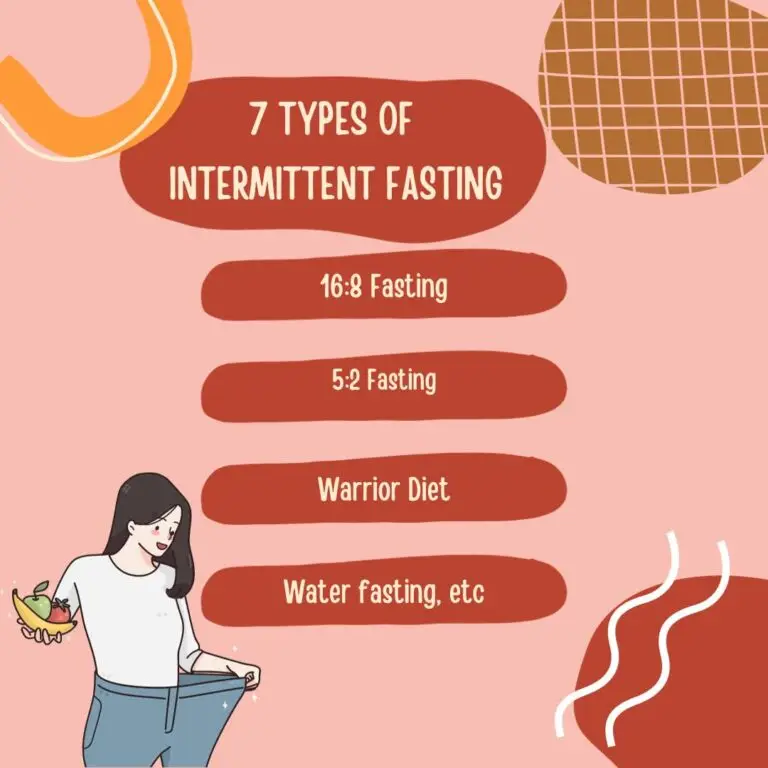
If you want schedule options explained simply: Types of Intermittent Fasting: 16:8, 5:2, OMAD (Which Fits You?)
Benefits of intermittent fasting for women (evidence-based)
Below are the most discussed benefits — with a reality-based interpretation. Many benefits occur because fasting improves meal structure, reduces snacking, and supports a calorie deficit. Johns Hopkins explains intermittent fasting can give the body time to use energy from the last meal and then shift toward burning fat, and allows water/zero-calorie beverages like black coffee and tea during fasting: Johns Hopkins Medicine: intermittent fasting explained.
1) Weight management and body composition
Intermittent fasting can support weight loss when it creates a sustainable calorie deficit and reduces overeating. For many women, the biggest win is not “fat burning at hour 16,” but fewer eating opportunities and fewer impulsive snacks.
Key success factor: Avoid binge-style eating inside the eating window. If you struggle with overeating after fasting, read: 12 Intermittent Fasting Mistakes That Cause Weight Gain (Fixes Included).
2) Improved insulin sensitivity (especially when weight decreases)
Many studies show time-restricted eating and intermittent fasting can improve metabolic markers in some populations, particularly when body fat decreases. Women with insulin resistance may benefit — but it’s not guaranteed and depends on diet quality.
If you have diabetes or take glucose-lowering medications, fasting must be medically guided: Intermittent Fasting and Type 2 Diabetes: What Research Shows + Safety.
3) Appetite control and reduced “food noise” (for some women)
Some women report fewer cravings and a calmer relationship with food once the routine is stable. This tends to happen when:
- protein is adequate
- sleep is stable
- the eating window doesn’t become a snack marathon
4) Cardiometabolic markers (blood pressure, triglycerides) — modest improvements
Fasting may improve some cardiometabolic markers in some people, largely through weight loss and better eating structure. But the effects vary and extreme windows are not always better. Mayo Clinic emphasizes fasting is not for everyone and should be individualized: Mayo Clinic: intermittent fasting FAQ.
5) Reduced inflammation markers (varies by person)
Some meta-analyses report reductions in inflammatory markers with intermittent fasting, but results vary widely and depend on protocol and population. Treat it as “possible,” not guaranteed.
6) Energy and focus (often indirect)
Some women feel more stable energy because they reduce sugar swings and heavy midday meals. Others feel worse if they under-eat or dehydrate.
If you get headaches, dizziness, or brain fog: electrolytes and hydration often fix it. See: Fasting Side Effects: Symptoms, Causes & How to Manage Safely and Best Drinks During Fasting.
7) Gut comfort (for some women)
For women who snack constantly or eat late, time-restricted eating can reduce bloating simply by reducing meal frequency and late-night heavy meals. But breaking the fast poorly can cause the opposite.
Use these together: Best Foods to Break a Fast and Foods to Avoid When Breaking a Fast.
8) PCOS-related hormonal patterns (promising, but still developing)
Some research suggests time-restricted eating may improve androgen markers and SHBG in certain groups of women, and fasting is being studied for PCOS outcomes. A review of intermittent fasting and reproductive hormones reports that early time-restricted eating may decrease androgen markers and increase SHBG in premenopausal women with obesity, while key reproductive hormones often show little change in limited trials: Cienfuegos et al. (PMC) review and Kalam et al. (PMC) review.
Important: PCOS is complex and requires individualized medical guidance. Fasting is not a stand-alone treatment.
9) Menopause weight management support (context-dependent)
Some reviews discuss intermittent fasting as a potential strategy for weight management around menopause, but outcomes depend on protein intake, strength training, and not under-fueling. Example review: Intermittent Fasting and Weight Management at Menopause (PMC).
10) Better structure and consistency (the underrated benefit)
For busy women, the biggest “benefit” is often simply a routine that is easier to follow than constant tracking. If your schedule is chaotic, this post helps: Intermittent Fasting for Busy Professionals.
Hormones & menstrual cycle: what’s known, what’s uncertain
This is the part that scares many women — often because social media claims “fasting destroys hormones.” The truth is more nuanced.
What human research suggests (so far)
Human trials specifically measuring reproductive hormones in women are still limited. Reviews note that time-restricted eating and 5:2 fasting have shown little effect on key reproductive hormones in some young women in the limited available trials, but research is not extensive and does not cover all life stages well: Effect of time-restricted eating on sex hormone levels (PMC).
Separately, early time-restricted eating appears to influence androgen markers and SHBG in certain groups (notably women with obesity), which may be relevant for PCOS patterns: Reproductive hormone levels review (PMC).
What’s strongly established clinically
Low energy availability (chronic under-fueling) can disrupt the HPO axis and menstrual function. The Endocrine Society guideline on functional hypothalamic amenorrhea explains that low energy availability from reduced intake and/or high training expenditure can lead to menstrual dysfunction: Endocrine Society guideline (JCEM). RED-S literature also connects chronic under-fueling with menstrual dysfunction: RED-S review (PMC).
A practical cycle-aware approach (without “cycle syncing hype”)
Many women find they tolerate fasting differently across the cycle. Evidence is not definitive, but this approach is practical and low-risk:
| Cycle phase | What many women notice | Practical adjustment |
|---|---|---|
| Follicular phase (after period → ovulation) | Often higher tolerance for fasting and training | 14:10 or 16:8 if it feels good; maintain protein |
| Luteal phase (after ovulation → period) | Often more hunger, worse sleep, stronger cravings | Shift to 12:12 or 14:10; prioritize carbs/fiber at dinner if needed |
Rule: If fasting worsens sleep, cravings, or mood in luteal phase, don’t force it. Adjust the window.
PCOS and intermittent fasting (what research suggests)
PCOS is one of the most common reasons women explore intermittent fasting. The promise is that fasting may improve insulin resistance, weight, and androgen-related markers — but the evidence is still evolving.
What we can say responsibly
- Time-restricted eating is being studied for PCOS metabolic and hormonal markers.
- Some research suggests possible improvements in androgen markers and SHBG in specific populations.
- Results vary; long-term high-quality trials are still needed.
Useful research references include: Intermittent fasting and reproductive hormones review (PMC) and the PubMed record of a 2024 trial comparing early TRE (with/without probiotics) vs calorie restriction in women with PCOS: Talebi et al. 2024 (PubMed).
Important: If you have PCOS, the safest strategy is often: 14:10 + protein-first meals + strength training + consistent sleep. Fasting is a structure — not a cure.
Perimenopause & menopause: how to adjust fasting
During perimenopause and menopause, changes in estrogen and body composition can make weight management harder. Some women find fasting helpful because it reduces snacking and improves structure.
However, menopause is also the stage where women are at higher risk for muscle loss if protein and strength training are neglected. Reviews discuss intermittent fasting as a possible tool for weight management at menopause, but diet quality and resistance training matter greatly: Intermittent Fasting and Weight Management at Menopause (PMC).
Best approach for many women 45+
- Start with 12:12 or 14:10
- Prioritize protein at each meal
- Strength train 2–4x/week
- Avoid chronic under-eating (fat loss should be steady, not extreme)
Exercise + fasting for women (timing, training, recovery)
Training while fasting can work, but the key is matching intensity to your fueling and schedule.
Use this detailed guide: Exercising While Fasting: Best Timing for Strength and Cardio
Best workout timing options
- Option A (most comfortable): Train near the start of your eating window so you can eat soon after.
- Option B: Light cardio / walking during the fast; strength training in the eating window.
- Option C (advanced): Train fasted only if performance and recovery remain strong.
Women-specific training warning: don’t stack stressors
A common failure pattern is combining:
- aggressive fasting (16:8 or OMAD)
- high training load
- low sleep
- high life stress
This increases the risk of low energy availability and menstrual disruption (discussed in Endocrine Society and RED-S guidance). Use fasting to support training — not sabotage it.
Nutrition guidelines (what to eat, protein, iron, fiber)
Fasting success for women depends less on the fasting window and more on what you do in the eating window.
Protein (non-negotiable for women who train or want body recomposition)
Protein supports satiety, muscle maintenance, and recovery. If you struggle with muscle gain or want to avoid losing muscle during fat loss, read:
- Intermittent Fasting and Muscle Gain: Training + Protein Strategy
- Intermittent Fasting for Athletes & Bodybuilders
Iron, calcium, magnesium, vitamin D
Women are more likely to experience iron issues due to menstrual blood loss, and bone health becomes more important with age. If you suspect deficiency, get blood work and medical guidance rather than self-prescribing supplements.
Fiber and carbs (especially in luteal phase)
Fiber helps satiety and gut health. Many women tolerate fasting better when they include enough fiber and complex carbs at dinner — especially in the luteal phase when hunger increases.
How to break a fast (this matters for cravings and digestion)
Use these two posts as your “refeeding system”:
- Best Foods to Break a Fast: Meal Ideas + Sample Plans
- Foods to Avoid When Breaking a Fast (and Better Options)
Supplements during fasting (what helps, what breaks a fast)
Most women don’t need many supplements for intermittent fasting. The most useful category for fasting comfort is electrolytes (especially for headaches, dizziness, cramps).
Full guide:
Common mistake: Taking calories during fasting via “healthy” add-ons. If you want a strict clean fast, avoid amino acids/protein drinks/sugary electrolytes in the fasting window. Use this reference: What Breaks a Fast? Foods, Supplements & Hidden Calories.
Safety: red flags and when to stop
Intermittent fasting should make you feel more stable over time — not progressively worse.
Stop or reduce fasting if you notice:
- missed periods or cycle irregularity that persists
- constant fatigue, cold intolerance, hair shedding
- sleep worsening for more than 2 weeks
- increasing anxiety, obsessive food thoughts, binge cycles
- frequent dizziness or near-fainting
If you’re dealing with these symptoms, review: Fasting Side Effects: Symptoms, Causes & How to Manage Safely.
Who should avoid fasting (strong caution)
Mayo Clinic and Harvard sources both highlight that intermittent fasting isn’t appropriate for everyone — especially pregnancy/breastfeeding and those with disordered eating history. See:
For eating disorder safety context, ACOG provides clinical guidance on eating disorders and menstrual concerns: ACOG Committee Opinion: eating disorders and gynecologic care.
Frequently asked questions
How many hours should a woman do intermittent fasting?
Many women do best starting with 12:12 or 14:10. If sleep, mood, and cycle remain stable, some women progress to 16:8 — but 14:10 is often the most sustainable “default.” If symptoms worsen, shorten the fast.
What is the best intermittent fasting method for women?
For most women: 14:10. For women who tolerate fasting extremely well and eat balanced meals: 16:8 can work. If daily fasting feels hard, 5:2 can be an option — but it can be problematic for women prone to restrictive/binge cycles.
How much weight can a woman lose in a month on intermittent fasting?
It varies widely. A safe and sustainable pace for many women is around 0.5–1% of body weight per week, but your results depend on calorie intake, consistency, training, and sleep. Use: Intermittent Fasting for Weight Loss: Practical Plan That Works.
How many hours should a 40-year-old woman fast?
Start with 12:12 or 14:10. If sleep and recovery are stable, 16:8 may be fine — but many women 40+ do better prioritizing protein, strength training, and avoiding aggressive calorie deficits.
Does intermittent fasting work for women over 50?
Yes, it can work, but women over 50 should be careful about under-eating and muscle loss. A gentler schedule (12:12 or 14:10) plus strength training and protein focus is often the best approach.
Sources
- Johns Hopkins Medicine: intermittent fasting explained
- Mayo Clinic: intermittent fasting FAQ
- Harvard T.H. Chan: health benefits of intermittent fasting
- PMC: time-restricted eating and sex hormone levels review
- PMC: intermittent fasting and reproductive hormones review
- Endocrine Society: functional hypothalamic amenorrhea guideline (JCEM)
- PMC: Relative Energy Deficiency in Sport (RED-S) review
- PubMed: 2024 trial in women with PCOS (Talebi et al.)
- ACOG: eating disorders & gynecologic care
Read next (internal)
- Intermittent Fasting Guide: Start Here
- Intermittent Fasting Timing & Duration
- Types of Intermittent Fasting (16:8, 5:2, OMAD)
- IF for Weight Loss
- IF Mistakes That Cause Weight Gain
- Exercising While Fasting
- Best Foods to Break a Fast
- Foods to Avoid When Breaking a Fast
- Best Drinks During Fasting
- Supplements for Fasting
- Fasting Side Effects & Safety