With so many types of intermittent fasting, the real challenge is not “which one is most popular”, but which one fits your goals, lifestyle, training, and safety needs. The right schedule should feel repeatable, not extreme.
In this guide, you’ll learn the most common intermittent fasting methods—from short daily fasts like 14:10 and 16:8, to weekly strategies like 5:2, to advanced approaches like OMAD and alternate-day fasting. For each method, I’ll explain:
- what it is (simple and practical)
- who it’s best for
- benefits and drawbacks
- common mistakes
- how to start safely
Start here first (pillar): Intermittent Fasting Guide: Start Here
Quick answer (if you want the best “default” choice)
If you’re not sure where to begin, here’s the simplest rule:
- Most beginners start with 12:12 → 14:10
- Most people who want fat loss + routine: 14:10 or 16:8
- People who hate daily fasting: 5:2
- Athletes/bodybuilders: 14:10 or 16:8 timed around training
- Women (many do better gentler): 12:12 or 14:10
- Advanced only: OMAD, ADF, extended fasts
Useful next reads:
Types of intermittent fasting (comparison table)
| Method | What it means | Best for | Main downside |
|---|---|---|---|
| 12:12 | 12h fast / 12h eat | beginners, late-night snackers | slower results if food quality is poor |
| 14:10 | 14h fast / 10h eat | most people, women, busy schedules | still possible to overeat in window |
| 16:8 | 16h fast / 8h eat | routine + fat loss | can trigger overeating at night |
| 18:6 / 20:4 | shorter window | advanced, appetite control | harder to hit protein/nutrients |
| 5:2 | 2 low-cal days/week | people who hate daily fasting | low-cal days can feel rough |
| 24-hour fast | dinner-to-dinner 1–2x/week | experienced, structured | higher rebound eating risk |
| ADF | alternate normal day + fast day | advanced, aggressive fat loss | hard to sustain, higher fatigue |
| OMAD | one meal/day | advanced, low appetite | low protein, binge risk |
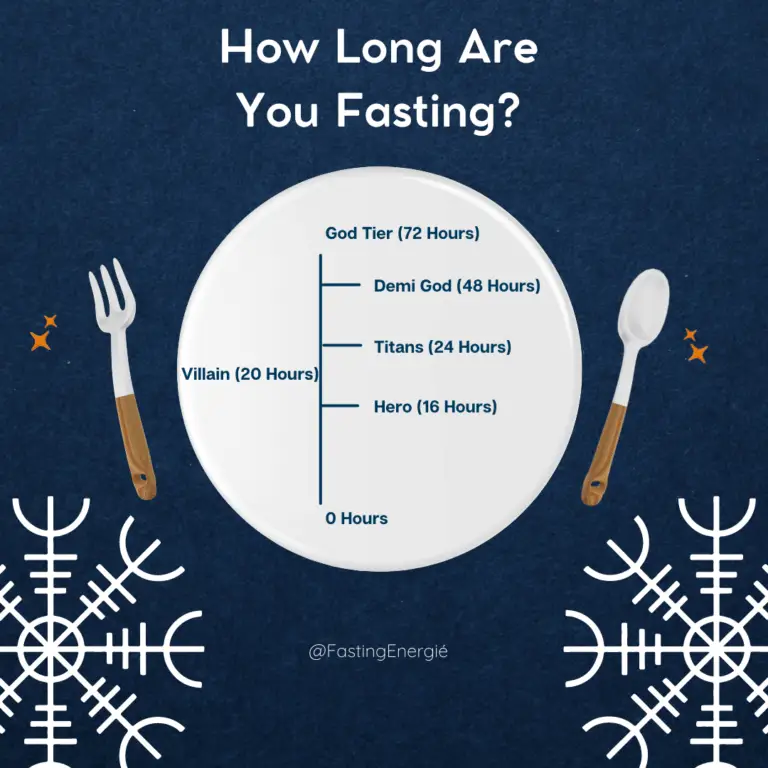
| Extended fasts (36–72h) | long fasting periods | advanced + careful planning | safety + refeeding risk increases |
| Dry fasting | no food + no water | not recommended | dehydration risk, unsafe |
How to choose the right type of intermittent fasting for you
Choosing between the types of intermittent fasting should feel logical. Use these 6 filters:
1) Your main goal
- Weight loss: daily routines like 14:10 or 16:8 are usually easiest to sustain
→ start: Intermittent fasting for weight loss - Performance / muscle retention: you need a schedule that supports training and protein intake
→ start: IF for athletes & bodybuilders - Metabolic health: gentle consistency matters more than extreme fasting
→ safety: IF and type 2 diabetes (safety + evidence)
2) Your lifestyle (work + social + family meals)
If your day is packed, you’ll do better with a method that doesn’t require constant planning.
- Busy schedule: 14:10 is often the best “fit”
- If you travel a lot or have meetings: IF for busy professionals
3) Your hunger style
- If you get “hangry” fast → start gentler (12:12 or 14:10)
- If you naturally have low appetite → 16:8 may be easy
4) Training demands
- If you lift heavy or do intense sports: avoid schedules that make it hard to hit protein
→ see: Exercising while fasting: timing for strength & cardio
5) Safety and health status
If you take medications, have low blood pressure, history of eating disorders, or blood sugar issues, you should avoid aggressive fasting.
- Start with: Fasting side effects & safety
- If diabetes / meds: Type 2 diabetes safety guide
6) Your experience level
- Beginners should not jump to OMAD or ADF.
- Build tolerance gradually.
Type 1: 12:12 intermittent fasting (beginner-friendly)
What it is: A 12-hour fast overnight. Example: finish dinner at 8 pm, eat breakfast at 8 am.
Why it works: Many people gain weight from late-night calories (snacks, desserts, sugary drinks). 12:12 reduces that without forcing extreme hunger.
Best for:
- total beginners
- people who snack late
- women who prefer gentler schedules
- anyone who wants an easy “start line”
Common mistakes:
- “I’m fasting” but still drinking calories at night (milk coffee, juices)
- eating ultra-processed foods and expecting results
How to succeed:
- Stop food after dinner
- Use water / herbal tea at night
- Make your first meal protein-first
Helpful:
Type 2: 14:10 intermittent fasting (best “default” for most people)
What it is: 14-hour fast, 10-hour eating window.
Why it’s so effective: It’s long enough to reduce random eating, but not so aggressive that it ruins energy or sleep for most people.
Best for:
- busy professionals
- people who struggle with 16:8
- many women
- long-term routine building
Example day:
- 9:30–10:30 am: first meal
- 2:30–3:30 pm: optional snack
- 6:30–7:30 pm: dinner
- after dinner: only calorie-free drinks
Common mistakes:
- skipping breakfast, then overeating at night
- using the eating window as an “all-day snack window”
Make it easier:
- eat protein at meal 1
- avoid sugary break-fast meals
Support:
Type 3: 16:8 intermittent fasting (most popular)
What it is: 16-hour fast, 8-hour eating window (e.g., 12 pm–8 pm).
Best for:
- people who like clear rules
- fat loss goals
- people who don’t love breakfast
Pros:
- simple routine
- often reduces calories without tracking
- easier to manage than weekly “low-cal days”
Cons:
- can lead to overeating if meals aren’t planned
- may reduce protein intake if you only eat 1–2 meals
- late windows can hurt sleep (for some)
Common mistake pattern:
- skip breakfast → get very hungry → huge dinner → snacks late → no deficit
If this happens, shift your window earlier (example: 10 am–6 pm).
Support:
Type 4: 18:6 and 20:4 (advanced time-restricted eating)
What it is: A shorter eating window (6 hours or 4 hours).
Best for:
- people with low appetite
- experienced fasters
- people who prefer fewer meals
Main risk: Under-eating protein and nutrients. If you train, it’s easy to miss your protein target and feel weaker.
If you try it:
- use 2 high-protein meals (not 1)
- avoid junk break-fast foods
- listen to energy, sleep, and mood
Performance support:
Type 5: 5:2 diet (two low-calorie days per week)
What it is: Eat normally 5 days/week. On 2 days, reduce calories (commonly ~500–600, but needs vary).
Best for:
- people who hate daily fasting
- people who prefer weekly planning
- social eaters who want flexibility
Pros:
- you don’t fast every day
- can be easier socially
- clear structure (two “light” days)
Cons:
- low-cal days can feel rough (headache, irritability)
- easy to “compensate eat” the next day
How to do it properly:
- make low-cal days protein + vegetables (don’t waste calories on sugar)
- don’t treat the next day as a binge reward
Safety support:
Type 6: Eat-Stop-Eat (24-hour fast 1–2× per week)
What it is: One full day fast, usually dinner-to-dinner.
Best for:
- experienced fasters
- people who prefer “one big fasting day” instead of daily windows
Pros:
- can simplify weekly calorie control
- some people find it mentally easier than daily restriction
Cons:
- higher rebound eating risk
- harder with training schedules
- more side effects if hydration/electrolytes are poor
If you want to explore longer fast windows, read:
Type 7: Alternate-Day Fasting (ADF)
What it is: Alternate normal eating days with fasting days (some versions allow ~500 calories on fasting days).
Best for:
- advanced users who love strict structure
- those under guidance and with stable lifestyle
Pros:
- large calorie reduction potential
- very structured rhythm
Cons:
- harder long-term adherence
- social and training challenges
- fatigue is common for many people
This is not a beginner method. Start with 14:10 or 16:8 first.
Type 8: OMAD (One Meal A Day)
What it is: One meal daily.
Best for:
- advanced fasters with low appetite
- people who prefer a single big meal
Main downsides:
- hard to hit protein targets (especially for lifters)
- high binge risk (especially if stressed)
- can worsen sleep if the meal is huge and late
If muscle retention/gain matters:
Type 9: Extended fasts (36–72 hours) and water fasting (caution)
What it is: Long fasts beyond one day.
These can sound attractive online because people talk about “deep benefits,” but risks and side effects increase. If you are considering these, you must understand:
- hydration and electrolyte needs
- refeeding strategy
- medical risk factors
Start here (internal):
Safety guidance (internal):
Important safety note: Longer fasts are not for everyone. People with diabetes, low blood pressure, medication needs, or eating disorder history should avoid extended fasting unless supervised.
Type 10: Dry fasting (not recommended)
Dry fasting (no food and no water) is high risk due to dehydration and is not something I recommend as a health strategy. Even mild dehydration can impair performance and wellbeing, and the risk is unnecessary when other fasting methods exist.
If someone chooses dry fasting for religious reasons, it should be approached with extra caution and awareness, but for health and fitness goals, safer alternatives exist.
Addressing common challenges of intermittent fasting (and fixes)
Hunger (physical vs psychological)
Physical hunger builds gradually and can be satisfied with almost any food. Psychological hunger is sudden and cravings-based (often triggered by stress, boredom, or habit).
Fixes:
- hydration (thirst can feel like hunger)
- protein-first meals
- fiber at meals (vegetables, legumes)
- keep your first schedule gentle (12:12 or 14:10)
Social events and meals
IF should support your life, not fight it.
Fixes:
- adjust your eating window on special days
- return to routine the next day
- choose the method that matches your lifestyle (5:2 is often good for social schedules)
Energy and workouts
Training hard while fasting can be fine, but timing matters.
Fixes:
- train near your eating window
- use protein + carbs appropriately after training
- if performance drops, shorten the fast
Support:
Nutrient deficiency risk
IF doesn’t cause deficiencies by itself—poor eating choices do.
Fixes:
- focus on nutrient-dense meals
- prioritize protein and vegetables
- avoid using the eating window for ultra-processed foods
Support:
Conclusion: which types of intermittent fasting are best?
There isn’t one best method for everyone. The best method is the one you can repeat while staying healthy and consistent.
My practical recommendation:
- Start with 12:12 or 14:10
- Move to 16:8 only if it feels sustainable
- Use 5:2 if you hate daily fasting
- Avoid extreme methods unless you’re experienced and safety-aware
Next reads:
Frequently Asked Questions
Q1: What are the main types of intermittent fasting?
A: The most common types of intermittent fasting include 12:12, 14:10, 16:8, 5:2, 24-hour fasts (Eat-Stop-Eat), alternate-day fasting (ADF), and OMAD. Each differs in how long you fast and how often you repeat it.
Q2: What is the best intermittent fasting schedule for beginners?
A: Most beginners do best starting with 12:12 or 14:10 for 1–2 weeks before trying 16:8. This reduces quitting and helps your body adapt gradually.
Q3: Which type of intermittent fasting is best for weight loss?
A: For most people, 14:10 or 16:8 are the easiest to sustain long-term. 5:2 can also work well if you prefer weekly structure. Start here: IF for weight loss.
Q4: Can athletes do intermittent fasting?
A: Yes, many athletes do well with 14:10 or 16:8 when meals are timed around training and protein intake is sufficient. See: IF for athletes & bodybuilders.
Q5: Is OMAD safe and effective?
A: OMAD can work for some experienced fasters, but it often makes it harder to meet protein and nutrient needs and can trigger overeating. It’s not a great starting method for most people.
Q6: Are extended fasts (48–72 hours) recommended?
A: Extended fasts increase risks (electrolyte imbalance, fatigue, refeeding issues) and should not be treated casually. If you’re curious, read: 12–72 hours fasting stages and prioritize safety.
Q7: What’s the safest fasting method for women?
A: Many women do best with gentler schedules like 12:12 or 14:10 and gradual progression. See: Intermittent fasting for women.
Sources (credible external links)
- Johns Hopkins: how intermittent fasting works
- Mayo Clinic: intermittent fasting overview
- NIDDK: insulin resistance basics
- CDC: insulin resistance and type 2 diabetes
- Cleveland Clinic: autophagy explained